https://i.ytimg.com/vi/SYK02tYJzgE/hqdefault.jpg
Balanced Diet Food Plate
#balanceddiet #plate #health #kidshealth #ngscience
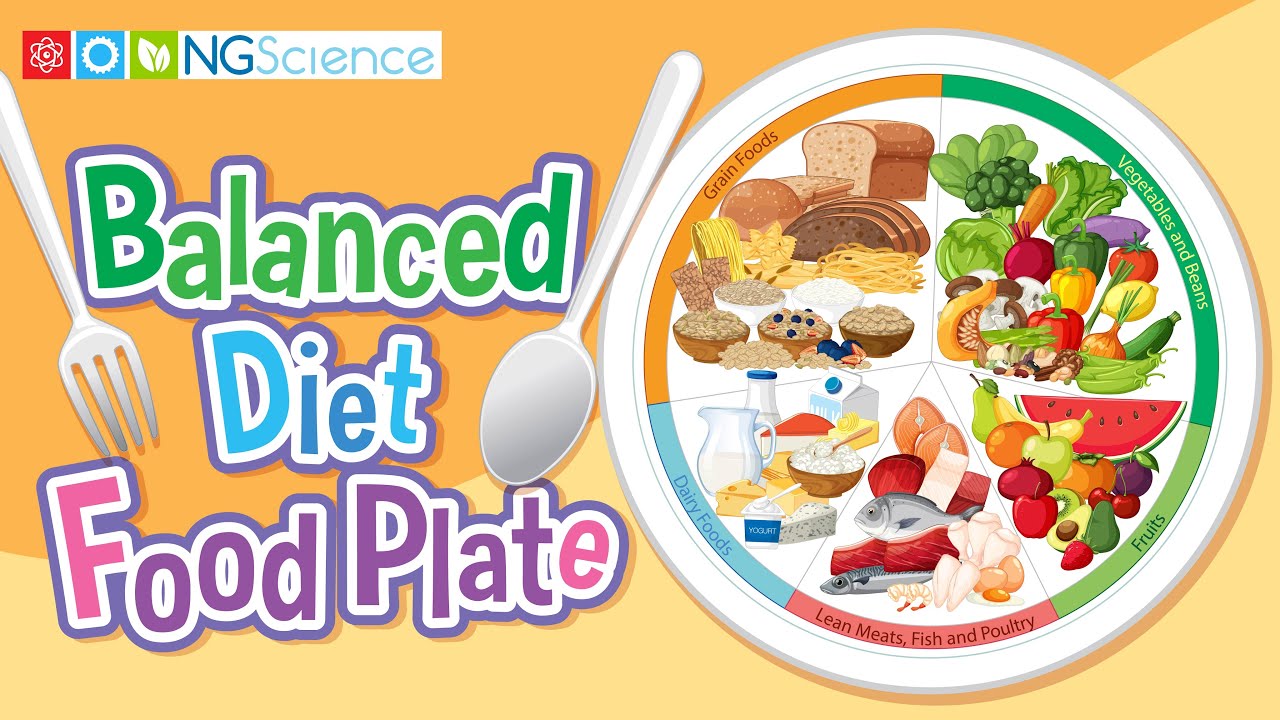
Let’s take a closer look at what a balanced, healthy plate looks like! Each section gives our body something important to grow strong and stay active — and knowing how much of each is just as important.
First up — Grain Foods! These include bread, pasta, rice, oats, and cereals. They give us energy, thanks to carbohydrates, and some even pack in fibre to help digestion. Aim for about 4 to 6 servings a day — like a slice of bread, half a cup of cooked rice or pasta, or a small bowl of cereal. Choose whole grains most of the time — they’re better for your tummy and your energy!
Now onto Vegetables and Beans! Packed with vitamins, minerals and fibre, they help every part of your body — from your eyes to your bones. Try to eat at least 5 servings a day — that’s half a cup of cooked veggies or one cup of salad. Mix it up! Leafy greens, colourful capsicum, crunchy carrots, and add beans and lentils for extra protein and fibre.
Let’s sweeten the plate with Fruits. Full of natural sugars and vitamin C, fruit helps your immune system and keeps things moving in your gut! Go for 2 servings a day — that’s like one medium apple, a banana, or a cup of chopped fruit. Fresh, whole fruit is best — but frozen and canned (in juice, not syrup) are good options too. But try to limit fruit juice, as it contains a high concentration of sugar without the fibre of whole fruit.
Now for Lean Meats, Fish and Poultry. These foods are your body’s main source of protein — helping with growth and repair. Aim for 1 to 2 servings a day — a serving is about the size of your palm. Choose lean cuts of meat, skinless chicken, or oily fish like salmon or sardines 2 to 3 times a week. Plant-based options like tofu or legumes count too!
Next up, Dairy Foods. Milk, cheese and yoghurt are rich in calcium for strong bones and teeth. Aim for 2 to 3 serves a day — like a cup of milk, two slices of cheese, or a small tub of yoghurt. Go for reduced-fat options if you’re over the age of two — they’re just as nutritious.
And here’s a small but important group — Oils. Healthy fats like olive oil or canola oil help your heart and your brain. Use in small amounts — just a drizzle on your veggies or a spoon in cooking is enough. Stick to healthy oils and skip the deep-fried stuff!
Now, here’s the tricky part — ‘Sometimes Foods’. Chips, soft drinks, cakes and lollies can taste great, but they’re high in sugar, salt, and unhealthy fats. Save them for special occasions — not every day — and keep portions small. Think one small slice of cake or a few chips, not the whole bag!
And finally… Water! It’s the number one drink your body needs every day. Most people need 6 to 8 glasses of water daily — even more when you’re active or it’s hot outside. Skip the sugary drinks and keep your water bottle handy all day long!
That’s what a balanced plate — and a healthy day — should look like! Eat a variety of foods in the right amounts, and your body will have everything it needs to stay strong, happy and healthy.
Source:
YouTube
Medical Disclaimer:
This video is shared for educational and nutritional awareness only.
It does not replace professional medical or dietetic consultation.