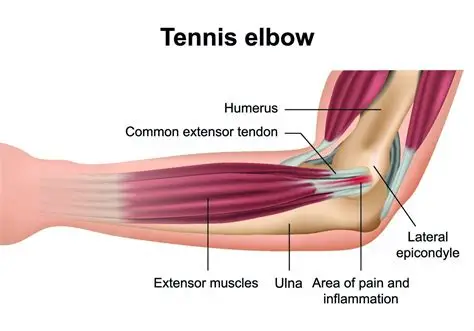
Tennis Elbow, or Lateral Epicondylitis, is a painful condition affecting the outer part of the elbow, caused by overuse of the forearm muscles and tendons. Despite its name, it’s not limited to tennis players. This common condition is increasingly seen in professionals, manual laborers, and even homemakers — all due to repetitive wrist and hand movements.
In this article, we’ll explore the causes, symptoms, physiotherapy management, and most importantly, the work-related triggers in men and women.
📌 What Causes Tennis Elbow?
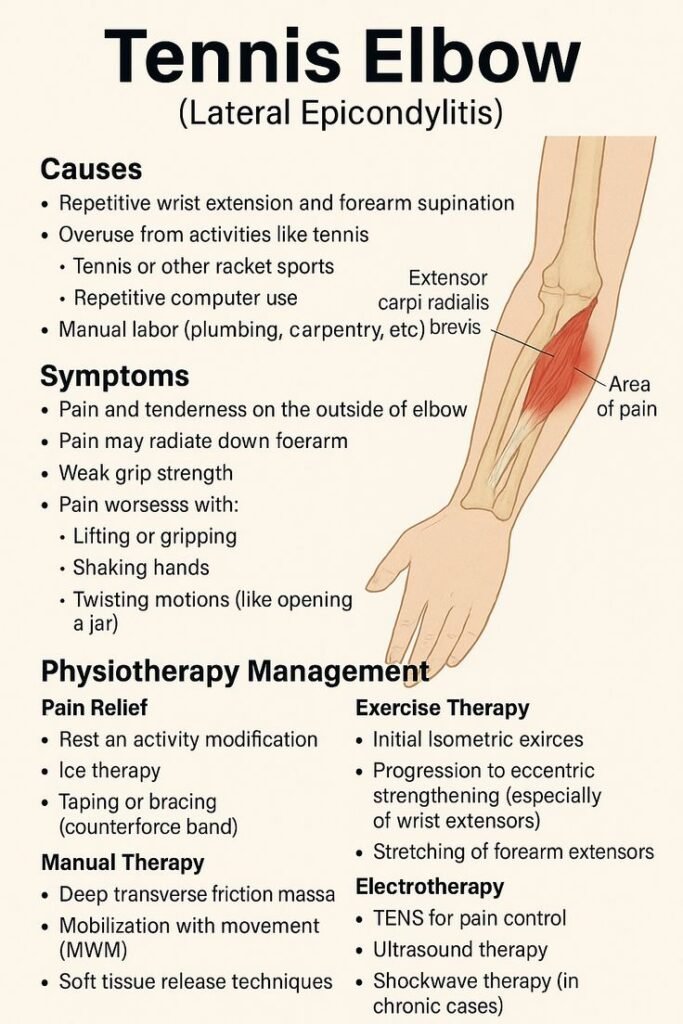
Tennis Elbow results from microscopic tears in the tendon connecting the extensor carpi radialis brevis (ECRB) muscle to the lateral epicondyle of the humerus (outer elbow bone). The damage is typically caused by repetitive wrist extension and forearm rotation.
Common Causes Include:
- 🎾 Sports activities involving repetitive arm motion (tennis, badminton, squash)
- 💻 Prolonged computer use, especially with poor posture
- 🛠️ Manual labor like plumbing, carpentry, and construction
- ✂️ Fine hand tasks like sewing, knitting, or food prep
⚠️ Symptoms of Tennis Elbow
- Pain and tenderness on the outer side of the elbow
- Pain may radiate down the forearm
- Weak grip strength
- Discomfort that worsens with:
- Lifting or gripping
- Shaking hands
- Twisting (e.g., opening a jar)
If left untreated, these symptoms can severely impact daily activities and occupational performance.
👨🔧👩💼 Work-Related Causes in Men and Women
While the underlying pathology is the same, occupational causes of Tennis Elbow often vary by gender, based on job roles and daily demands.
🔧 Most Common in Men: Manual Labor Overload
Men working in physical trades are more prone to Tennis Elbow due to repetitive, forceful movements that stress the forearm extensors.
High-risk occupations include:
- Construction workers
- Electricians and plumbers
- Factory machine operators
- Mechanics and carpenters
- Gym trainers or lifters
These roles typically involve frequent use of hand tools, lifting heavy objects, or vibrating machinery — all of which cause strain and microtrauma to the ECRB tendon.
💻 Most Common in Women: Repetitive Desk or Hand Tasks
In women, Tennis Elbow often develops from repetitive fine motor tasks and sustained typing or wrist extension, particularly when ergonomics are overlooked.
High-risk occupations include:
- IT professionals, office executives
- Teachers, writers, typists
- Garment workers, tailors
- Kitchen staff, bakers, chefs
- Nurses and caregivers
Common daily activities like cutting vegetables, folding clothes, or lifting utensils repeatedly also contribute to symptoms in homemakers.
🔁 Shared Risk Factors:
- Repetitive motion without breaks
- Poor ergonomic setup at work
- Weak shoulder or upper back muscles
- Vibrating tool use (e.g., drills, grinders)
🏥 Physiotherapy Management
Conservative treatment is highly effective in most cases. A tailored physiotherapy program helps relieve pain, strengthen muscles, and restore function.
1. Pain Relief
- Rest and modification of activities
- Ice therapy to reduce inflammation
- Use of braces or counterforce bands
2. Manual Therapy
- Deep friction massage
- Mobilization with movement (MWM)
- Soft tissue release techniques
3. Exercise Therapy
- Isometric exercises to maintain strength
- Eccentric strengthening of wrist extensors
- Forearm stretching to improve flexibility
4. Electrotherapy (for chronic or severe cases)
- TENS for pain relief
- Ultrasound therapy to promote healing
- Shockwave therapy for persistent symptoms
🛡️ Prevention at the Workplace
Whether you’re a desk worker or a technician, simple changes can help prevent Tennis Elbow:
- Use ergonomically designed tools and desks
- Take frequent micro-breaks
- Maintain neutral wrist position during tasks
- Strengthen supporting muscles of the arm and shoulder
- Use supportive braces if at high risk
🧠 Final Thoughts
Tennis Elbow is more than just an athlete’s problem — it’s a growing occupational health concern. By understanding its workplace triggers and seeking early physiotherapy care, you can prevent long-term discomfort and return to your normal activities faster.
If you suspect you’re developing symptoms of Tennis Elbow, consult a physiotherapist or orthopedic expert. Timely diagnosis and targeted management can make all the difference.