🦴 Understanding the 4 Stages of Rheumatoid Arthritis – What You Need to Know
By Pick Bydoc
Rheumatoid arthritis (RA) can feel overwhelming, especially if you or a loved one has recently been diagnosed. But understanding how it progresses can help you feel more in control. RA isn’t just about joint pain – it’s a condition where your immune system mistakenly attacks healthy tissues, and it moves in stages. Knowing which stage you’re in can help guide treatment and improve your quality of life.
Let’s break it down into 4 clear stages:

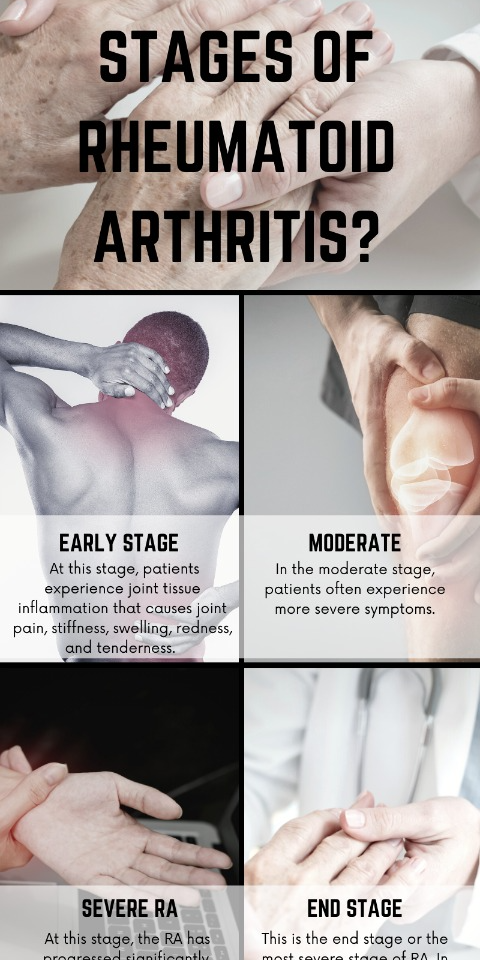
Stage 1: Early Rheumatoid Arthritis – Subtle but Significant
In this stage, inflammation begins in the lining of your joints, but damage hasn’t yet occurred. You may feel:
-
Morning stiffness
-
Swelling in hands or feet
-
Fatigue or a general “off” feeling
It’s tricky, because early RA can look like other conditions. But catching it now can make a huge difference. Treatment at this stage can slow or even halt damage before it starts.
Stage 2: Moderate RA – When Joints Start to Feel the Impact
Now, the inflammation begins damaging cartilage – the smooth material that cushions your joints. You might notice:
-
Pain with movement
-
Decreased range of motion
-
Joint swelling that sticks around
X-rays or MRIs might show early damage. Treatment usually ramps up here with disease-modifying medications (DMARDs) to protect the joints.
Stage 3: Severe RA – When Damage Runs Deep
By this point, the inflammation is more aggressive, eating away at cartilage and even bone. You may experience:
-
Visible joint deformities
-
Severe pain and stiffness
-
Weak muscles around affected joints
This is when RA starts to interfere with daily life – but there are still treatments to manage symptoms and improve function.
Stage 4: End-Stage RA – A Pause, Not a Full Stop
In the final stage, the active inflammation may settle down, but the damage done can’t be reversed. You might have:
-
Loss of joint function
-
Limited mobility
-
Constant pain or joint instability
At this point, treatments often shift to supportive care, pain relief, and sometimes surgery like joint replacement.
💡 The Bottom Line:
Rheumatoid arthritis doesn’t follow a straight line, and everyone’s journey is different. The good news? There’s help at every stage. Medications, lifestyle changes, and physical therapy can all play a role in keeping you active, independent, and comfortable.