- European scientists say ultra-processed foods increase the risks of a variety of health ailments, particularly heart disease.
- They recommend that medical professionals discuss the health dangers of ultra-processed foods with their patients.
- Experts agree that doctors should advise their patients on how to identify ultra-processed foods and reduce them in their daily diets.
European scientists say that medical professionals aren’t doing enough to warn the public about the health dangers of ultra-processed foods.
The scientists are urging doctors to talk with their patients about the amount of ultra-processed foods they eat and how to reduce them in their daily diets. They said those discussions should include an explanation that many foods marketed as “healthier” are often ultra-processed.
The scientists said this guidance is particularly important for people at risk for heart disease. They further noted that most dietary guidelines prioritize nutrient-centered recommendations but don’t address food processing.
The scientists recommended that medical professionals promote better public understanding of food labeling, food regulation, and updated guidelines. They reached their conclusions by reviewing all published research on ultra-processed foods and cardiovascular health.
“[Ultra-processed foods], made from industrial ingredients and additives, have largely replaced traditional diets,” Luigina Guasti, MD, an associate professor at the University of Insubria in Italy and a co-author of the statement, said in a press release.
“Research suggests these foods are linked to several risk factors for cardiovascular disease, such as obesity, diabetes, and high blood pressure, and to the risk of developing and dying from heart disease. However, this evidence has not yet made its way into the advice we give to patients on healthy eating,” Guasti continued.
Ultra-processed foods are foods that have been altered from their original form and contain additives such as sugar and salt, as well as substances that aren’t typically used in culinary preparations.
Those additional substances add flavor and texture to foods but can also increase the risk of several diseases.
A 2025 study concluded that ultra-processed foods are tied to more than 120,000 preventable deaths in the United States every year.
Recent research has also linked ultra-processed foods to worse muscle health, weakened bones, and fertility issues in females.
The European scientists reported that adults with a high consumption of ultra-processed foods have a 19% higher risk of coronary artery disease, a 13% higher risk of atrial fibrillation (AFib), and as much as a 65% higher risk of cardiovascular-related death compared with adults with a lower consumption of ultra-processed foods.
They added that ultra-processed foods also worsen key risk factors for conditions such as obesity, type 2 diabetes, high blood pressure, and the buildup of unhealthy fats in the bloodstream.
They reported that the risk from ultra-processed foods seems to be consistent across large, diverse populations.
Cheng-Han Chen, MD, an interventional cardiologist and medical director of the Structural Heart Program at MemorialCare Saddleback Medical Center in Laguna Hills, CA, wasn’t involved in the study, but agreed with the scientists’ recommendations.
“This review of the current evidence regarding the health effects of ultra-processed foods makes it clear that consumption of ultra-processed foods is associated with increased risk of cardiovascular disease,” Chen told Healthline. “We need to better educate the public on the risks of these foods and on the need to prioritize eating whole foods.”
Jennifer Wong, MD, a cardiologist and medical director of Non-Invasive Cardiology at MemorialCare Heart and Vascular Institute at Orange Coast Medical Center in Fountain Valley, CA, echoed this sentiment. Wong wasn’t involved in the study.
“This [paper] highlights an important and increasingly relevant issue — the impact of ultra-processed foods on cardiovascular health,” she told Healthline. “Bringing attention to this topic is critical given how prevalent these foods are in modern diets.”
Consuming ultra-processed foods may harm the body in several ways.
“We think that ultra-processed foods increase risk of cardiovascular disease through many mechanisms,” Chen said. “[These foods] are typically high in added sugars, unhealthy fats, and sodium, all of which lead to increased inflammation and increased risk of many cardiovascular risk factors such as high blood pressure, high cholesterol, and diabetes.”
“These foods also seem to disrupt our natural gut bacteria, further worsening systemic inflammation,” Chen added. “Also, increased intake of [ultra-processed foods] leads to less intake of heart-healthy foods such as fruits, vegetables, and whole grains.”
Amit Khera, MD, director of preventive cardiology at UT Southwestern Medical Center, lists other ways ultra-processed food consumption contributes to health issues:
- may lead to excess calorie intake
- may contain high levels of saturated fat, added sugars, or sodium
- may trigger the brain to stay hungry even after eating
- may cause potential disruptions to blood sugar levels
“Most [ultra-processed foods] are foods with poor nutritional quality, contributing to excessive calories, and are typically high in saturated fats, added sugars, and sodium,” Khera told Healthline.
A February review stated that ultra-processed foods may be as addictive as tobacco.
They noted that the percentage of calories from ultra-processed foods ranges from 61% in the Netherlands to 57% in the United Kingdom, 25% in Spain, 22% in Portugal, and 18% in Italy.
It’s estimated that
A 2025 review on the rise of ultra-processed foods notes that the increase in consumption may be attributed to their convenience, lower cost, longer shelf life, and aggressive marketing.
An
“This rise in ultra-processed foods is driven by powerful global corporations who employ sophisticated political tactics to protect and maximize profits,” the authors wrote.
“Education and relying on behavior change by individuals is insufficient. Deteriorating diets are an urgent public health threat that requires coordinated policies and advocacy to regulate and reduce ultra-processed foods and improve access to fresh and minimally processed foods.”
Christopher Gardner, PhD, a professor at Stanford Medicine, said the uncertainty about exactly what an ultra-processed food is can also add to the challenges. Gardner wasn’t involved in these studies.
“If it were easy to point out exactly what an ultra-processed food was, that is different than junk food, or unhealthy food, it could be helpful,” Gardner told Healthline.
“But the overlap is significant. And there are hundreds of cosmetic additives to be on the lookout for. And we don’t actually have great data or great science on each and every one of the cosmetic additives.”
Eating fewer ultra-processed foods may start with better knowledge of unhealthy foods.
“The first step is for people to better understand the types of foods they eat and which foods in their diet would be considered ultra-processed,” Chen said. “They can then better replace those types of foods with healthier alternatives such as fruits and vegetables.”
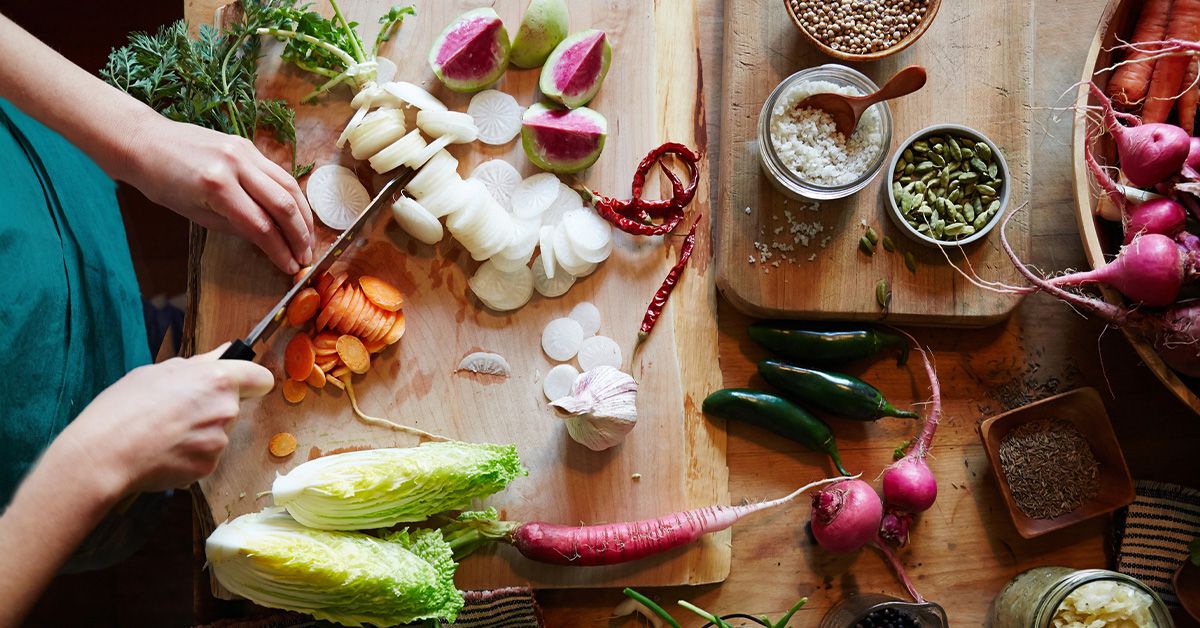
Wong agreed. “Clear and informative food labeling can improve public awareness and help individuals make healthier dietary choices,” she said. “Individuals can reduce intake by reading ingredient labels carefully, choosing minimally processed or whole-food alternatives, and preparing meals at home using fresh, healthy ingredients.”
- Prepare more foods at home.
- Be deliberate in food purchases at the grocery store.
- Make smart choices when ordering out.
- Snack smarter.
Khera added that some “simple swaps” can also help.
“Make your own simple vinaigrette instead of buying bottled salad dressing,” he said. “Add fruit to plain oatmeal, cereal, and yogurt instead of buying the sweetened or flavored kind. Slice up leftover roasted chicken or make a light tuna salad for sandwiches instead of using processed deli meat.”
Gardner agreed that focusing on foods that we know are healthy is a simple way to eat more healthy.
“Shift the approach to consuming more unprocessed or minimally processed foods,” he said.
“Whole foods: Veggies, fruits, legumes, nuts, seeds, [and] whole grains. Those are easier to define. Eat more of the good foods and, hopefully, by the time you have eaten those, you will be full and satiated and no longer in the mood for eating the junk, unhealthy, ultra-processed foods.”