For months, a cloud of fear has hovered over the immigrant community in San Bernardino, California, making it hard for María González to do her job as a community health worker in this city where almost a quarter of residents are foreign-born.
It started building over the summer, fed by news of immigration raids across Southern California, Trump administration plans to share Medicaid data with Immigration and Customs Enforcement, and the passage of state and federal restrictions on immigrant Medicaid eligibility. Then in November, the federal government released a new “public charge” proposal that, if enacted, could block certain immigrants from obtaining permanent legal residency if they or family members have used public benefits, including Medicaid.
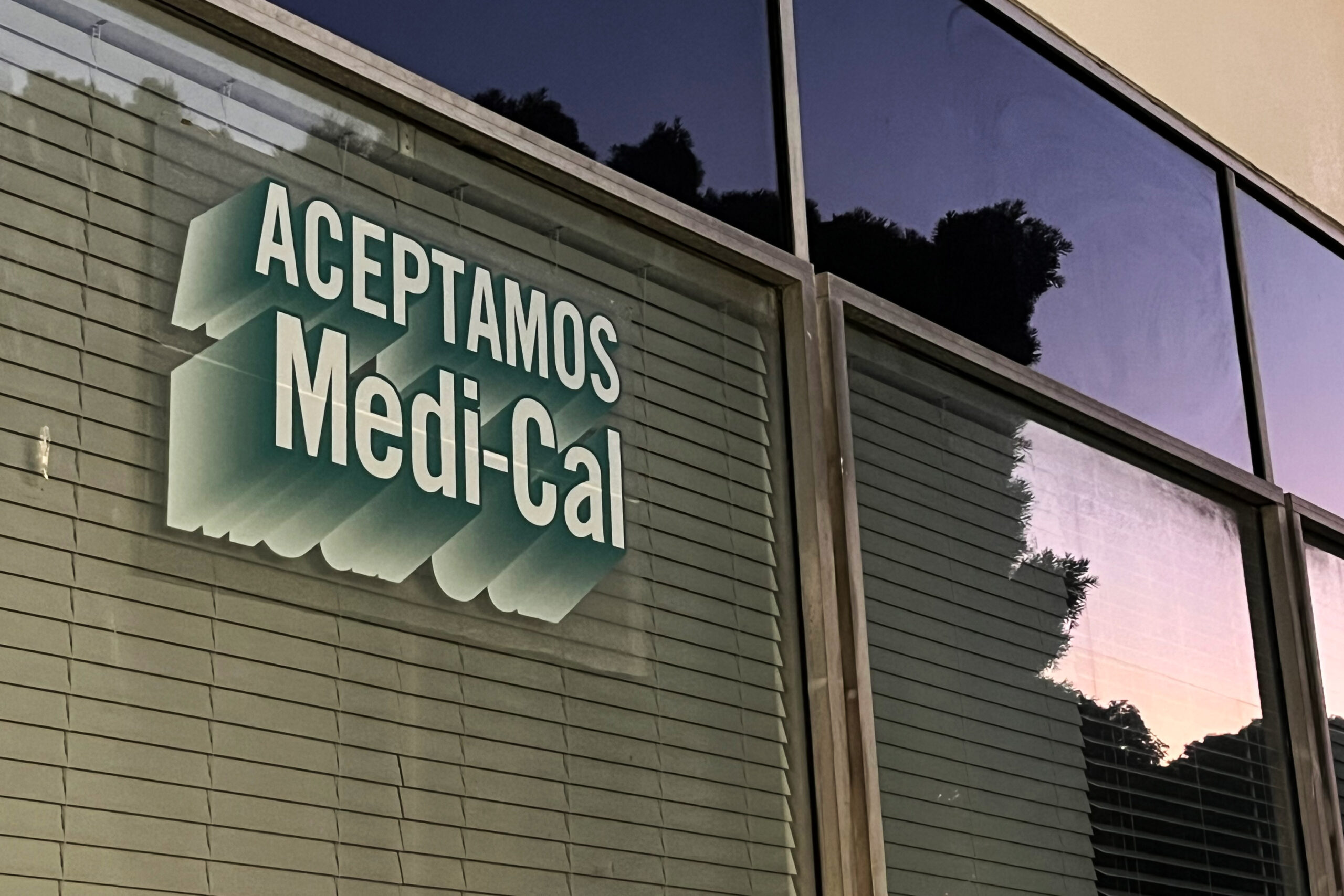
Many of González’ clients and their children, often U.S. citizens, still qualify for California’s Medicaid program, known as Medi-Cal, which provides health coverage to over 14 million residents with low incomes or disabilities. But increasingly, they don’t want to enroll or renew their coverage, she said.
“Many people don’t want to apply,” she said. “There are people who say they don’t even want to go outside and water their plants.”
An analysis by KFF Health News found that, from June to December, the latest month for which figures are available, almost 100,000 immigrants without legal status left Medi-Cal, representing about a quarter of all disenrollments in that time frame, even though this group makes up only about 11% of Medi-Cal enrollees.
It marks a reversal in a steady rise in enrollment among immigrants without legal status in California. Until July, sign-ups among this group had risen every month since the state opened Medi-Cal to all low-income residents regardless of immigration status in January 2024.
Tessa Outhyse, a spokesperson for the California Department of Health Care Services, which oversees Medi-Cal, said the enrollment declines can be mostly attributed to the fact that the government restarted eligibility checks that were suspended during the covid-19 pandemic. Indeed, overall Medi-Cal enrollment peaked in May 2023, and has since declined by about 1.6 million.
But two researchers, Leonardo Cuello at Georgetown University’s Center for Children and Families and Susan Babey at the UCLA Center for Health Policy Research, pointed out that California and most other states had fully resumed eligibility checks by mid-2024. In other words, that wouldn’t explain why enrollment has fallen precipitously in the last 12 months or so.
What has changed, Cuello said, is that the federal government passed the One Big Beautiful Bill Act, and executive orders added more changes that are propelling disenrollment.
Surveys Offer Clues
A KFF/New York Times survey found immigrant adults nationally, especially parents, to be increasingly avoiding government programs that help pay for food, housing, or health care, to avoid drawing attention to their or a family member’s immigration status. That included lawfully present residents and naturalized citizens. Parental avoidance of these programs is particularly concerning, Cuello said, because about 1 in 4 children in the U.S. have an immigrant parent, even though most of those children were born in the U.S.
Cuello suspects that may help explain a nationwide enrollment drop of almost 3% in Medicaid and the Children’s Health Insurance Program during the first 10 months of last year, including a 5.6% drop in enrollment among California children, according to data compiled by Georgetown colleagues.
During the first Trump administration, the president broadened public charge criteria to allow consideration of Medicaid use and food and housing assistance. That led many citizen children and other household members to forgo Medicaid and other programs they were eligible for. Some continued to avoid the programs even after several courts blocked implementation and Democratic President Joe Biden rescinded the rule.
“It caused a high level of confusion,” said Louise McCarthy, president and CEO of the Community Clinic Association of Los Angeles County, which represents about 70 health centers in the Los Angeles area. “Community health center staff are still working to undo the effects of the first rule.”
Projected Savings
Currently, only people reliant on cash assistance programs or long-term, government-funded institutionalized care may be considered a public charge risk when applying for a visa to enter the country or to become a legal permanent resident. But under the Trump administration’s proposed rule, Medicaid and other noncash programs could be used to determine whether an immigrant is likely to become dependent on the government. Immigration officers would also have more discretion to label people a public charge.
The Department of Homeland Security’s proposal says the changes are needed because the existing rules hamper the agency’s ability to make decisions about an immigrant’s risk of becoming reliant on government resources. A public comment period for the proposal ended in December.
DHS did not respond to a request about when it plans to make a final decision on the rule. The change would “align with long-standing policy that aliens in the United States should be self-reliant and government benefits should not incentivize immigration,” the proposal states.
The agency projected the change could save federal and state governments almost $9 billion annually from people disenrolling from or forgoing enrollment in public benefit programs.
A KFF analysis of the proposed rule estimated it could result in 1.3 to 4 million people disenrolling from Medicaid or CHIP, including as many as 1.8 million citizen children.
“It’s clearly being weaponized to create fear and anxiety,” said Benyamin Chao, supervising health and public benefits policy manager at the California Immigrant Policy Center. He called the proposal part of an “assault on lawfully present immigrants and U.S. citizens who are family members, and just the general community.”
Public charge fears are expected to decrease enrollment also in anti-hunger programs, such as the Supplemental Nutrition Assistance Program, known in California as CalFresh. Mark Lowry, who heads the Orange County Food Bank, said that that — along with disenrollment related to the One Big Beautiful Bill Act — could overwhelm food pantries, since federal nutrition programs account for the vast majority of food aid.
“There’s no way that the emergency food system has the capacity or resources to address those needs,” he said.
Health Care Needs
Fear of Medi-Cal enrollment doesn’t extend to all immigrants. Juana Zaragoza manages a program in Oxnard that helps mostly Indigenous Mexican farmworkers sign up for Medi-Cal. Overall enrollment and reenrollment has remained steady over the past few months, she said. Neither she nor the community members she serves know much about the public charge proposal, she added.
Often, any concerns they have are outweighed by an immediate need for health care.
“We encounter a lot of people who are balancing: what benefits me now and what benefits me later,” she said. “Some just want to cover their needs in the moment.”