7 Hidden Reasons You Must Know
Many people start exercising to lose weight, but after weeks of consistent workouts, they are shocked to see the weighing scale go up instead of down.
If you are gaining weight despite working out, don’t panic. In many cases, it is completely normal and may even indicate positive body changes.
Let’s understand the real reasons behind weight gain after exercise.
1. Muscle Gain Instead of Fat Gain
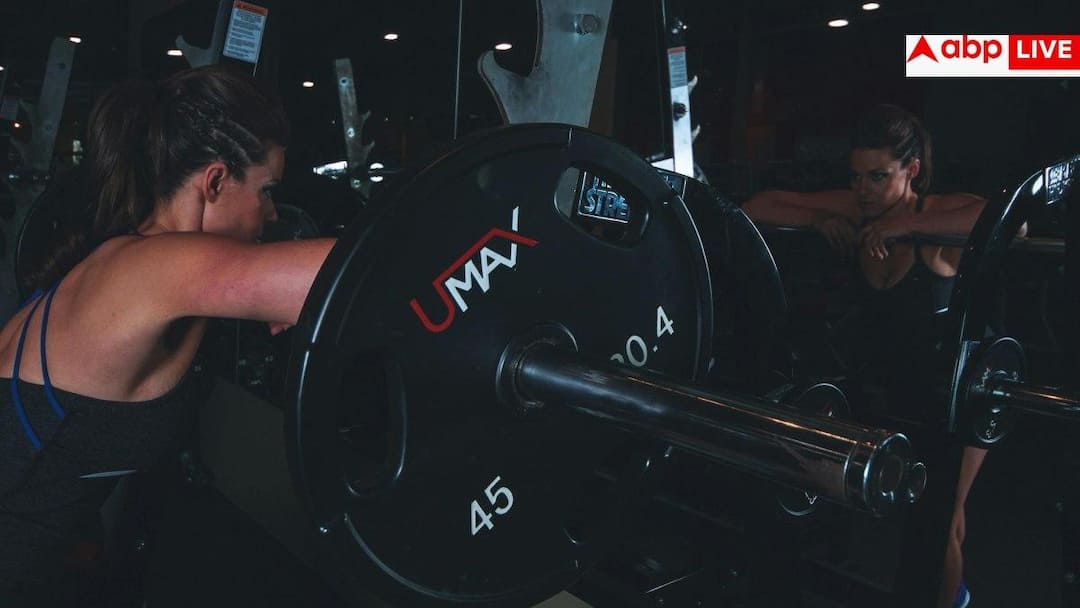
One of the most common reasons for weight gain after starting exercise is muscle growth.
Muscle is denser and heavier than fat. When you begin strength training:
-
Body fat may reduce
-
Muscle mass increases
-
Body looks more toned
-
Weight may slightly increase
Half a kilogram of muscle burns significantly more calories at rest compared to the same amount of fat. So even if your weight increases, your metabolism may actually improve.
Focus on body measurements, not just the scale.
2. Water Retention After Starting Workout
When you start a new exercise routine, your muscles develop tiny micro-tears. The body retains water to repair and rebuild these tissues.
This can temporarily increase body weight for 2–4 weeks.
This is not fat gain — it is part of muscle recovery.
3. Eating More Than You Realize
Many people unknowingly increase their calorie intake after starting exercise.
Common mistakes include:
-
Eating junk food assuming gym will compensate
-
High-calorie protein shakes and smoothies
-
Large portion sizes
-
Late-night overeating
-
Reward-based eating (“I worked out, so I deserve this”)
Weight loss depends on calorie balance. Exercise alone cannot override excess calorie intake.
4. Poor Sleep Affecting Hormones
Sleep plays a major role in weight regulation.
Adults need 7–9 hours of quality sleep daily.
Lack of sleep:
-
Increases ghrelin (hunger hormone)
-
Reduces leptin (satiety hormone)
-
Increases cravings
-
Reduces workout recovery
Hormonal imbalance due to poor sleep can lead to weight gain despite regular exercise.
5. Not Enough Strength Training
Only doing light cardio or walking may not be enough for fat loss.
Effective weight loss requires:
-
Strength training
-
Progressive overload
-
High-intensity intervals (if medically fit)
-
Consistent workout progression
Building muscle increases resting metabolic rate.
6. Medical Conditions That May Cause Weight Gain
If weight continues to increase for months despite proper diet and exercise, medical causes should be evaluated.
Possible conditions include:
-
Hypothyroidism
-
Insulin resistance
-
PCOS (in women)
-
Chronic stress
-
Certain medications
A physician consultation may be necessary for proper diagnosis.
7. You Are Focusing Only on the Scale
The weighing scale does not differentiate between fat, muscle, and water.
Instead, track:
-
Waist circumference
-
Body fat percentage
-
How clothes fit
-
Strength improvement
-
Energy levels
Sometimes, the scale goes up while body fat actually decreases.
When Should You See a Doctor?
Consult a healthcare professional if:
-
Rapid unexplained weight gain occurs
-
You feel excessive fatigue
-
There are symptoms of thyroid imbalance
-
Menstrual cycles become irregular
-
Blood sugar levels fluctuate
Early evaluation prevents long-term metabolic issues.