






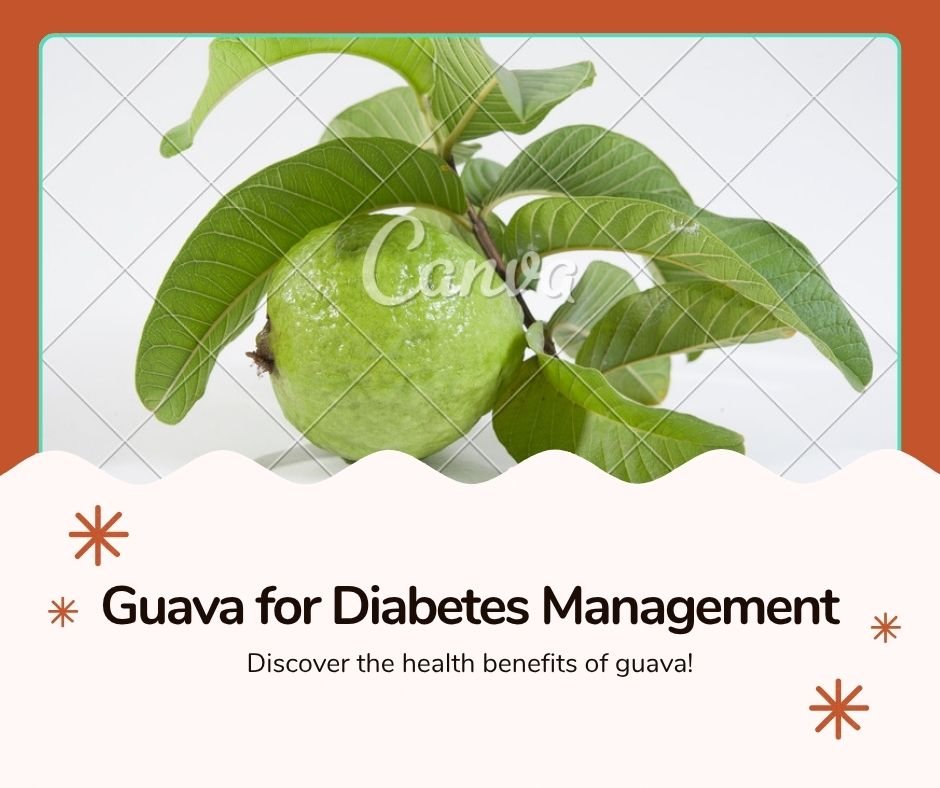
If you have diabetes, choosing the right fruits is crucial to managing blood sugar levels. Guava, a tropical fruit packed with nutrients, is often recommended for people with diabetes—but is it really a good choice? Let’s explore its benefits, glycemic impact, and how to consume it safely.
Guava’s Nutritional Profile (Per 100g)
- Calories: 68
- Carbs: 14g
- Fiber: 5g (20% of daily needs)
- Sugar: 9g (natural fructose)
- Vitamin C: 228mg (380% DV!)
- Potassium: 417mg
- Low Glycemic Index (GI): 12-24 (very low)
Why Guava is Great for Diabetes
1. Low Glycemic Index (GI) & Load (GL)
- Guava has a very low GI (12-24), meaning it causes a slow, steady rise in blood sugar.
- Its high fiber content further slows glucose absorption.
2. High in Fiber
- 5g of fiber per 100g helps:
- Improve digestion
- Lower post-meal blood sugar spikes
- Promote satiety (reducing overeating)
3. Rich in Antioxidants & Vitamin C
- Helps reduce oxidative stress (linked to diabetes complications).
- Supports immune health (diabetes can weaken immunity).
4. May Improve Insulin Sensitivity
- Some studies suggest guava leaf extract lowers blood sugar and improves insulin resistance.
5. Supports Heart Health
- Diabetes increases heart disease risk, but guava’s potassium and fiber help regulate blood pressure and cholesterol.
Best Ways to Eat Guava for Diabetes
✅ Eat whole & fresh (with skin for extra fiber).
✅ Pair with protein/fat (e.g., nuts, yogurt) to slow sugar absorption.
✅ Guava leaf tea (may help lower blood sugar).
❌ Avoid guava juices, jams, or canned versions (high in added sugar).
How Much Guava Can a Diabetic Eat?
- 1 small guava (55g) or ½ medium guava per serving is safe for most diabetics.
- Always monitor blood sugar to see how your body responds.
Conclusion: Yes, Guava is Diabetic-Friendly!
Guava is an excellent fruit for diabetes due to its low GI, high fiber, and blood sugar-regulating properties. When eaten in moderation and without added sugar, it can be a nutritious part of a diabetic diet.
Have you tried guava for blood sugar control? Share your experience below!
Disclaimer: This is not medical advice. Consult your doctor or dietitian before making dietary changes.