






Core Principles of a Modern Indian Diabetic Diet (2025)
Forget restrictive eating. The 2025 approach is about smart, strategic nutrition:
Low Glycemic Index (GI) is Key: Prioritize foods that release sugar slowly into the bloodstream.
Plate Method is Your Best Friend: Visualize your plate for every major meal:
½ Plate: Non-starchy Vegetables (e.g., spinach, broccoli, peppers, tomatoes, carrots, beans).
¼ Plate: Lean Protein (e.g., dal, paneer, chicken, fish, tofu, legumes).
¼ Plate: Complex Carbohydrates (e.g., whole wheat chapati, brown rice, quinoa, millets like jowar/bajra).
Power of Protein & Fiber: Both slow down digestion, preventing sugar spikes and keeping you full longer.
Healthy Fats are Essential: Include sources like nuts, seeds, avocado, and mustard/olive oil for heart health and satiety.
Mindful Eating & Portion Control: Even healthy foods can spike sugar if eaten in excess. Use smaller plates.
Hydration: Drink 2-3 litres of water daily. Herbal teas like green tea and cinnamon tea are excellent.
Read Labels: Be aware of hidden sugars in packaged foods like sauces, cereals, and “health” drinks.
What to Include & What to Limit
| Category | ✅ Include More Of (Low GI) | ❌ Limit or Avoid (High GI) |
|---|---|---|
| Grains & Flours | Whole wheat flour (atta), Jowar (sorghum), Bajra (pearl millet), Ragi (finger millet), Brown rice, Quinoa, Oats (steel-cut best), Dalia (broken wheat) | Refined flour (maida), White rice, White bread, NaAN, Pasta, Sugary cereals |
| Proteins | All dals & legumes (moong, masoor, chana dal), Chickpeas (chana), Kidney beans (rajma), Soybean, Tofu, Paneer (in moderation), Fish (roasted/grilled), Chicken (skinless), Eggs | Fried meats, Fatty cuts of red meat, Deep-fried paneer (pakoras), Processed meats (sausages, salami) |
| Vegetables | All non-starchy veggies: Leafy greens, broccoli, cauliflower, bell peppers, cucumber, tomatoes, zucchini, lauki, tori, bhindi, brinjal | Potatoes, arbi, jimikand, sweet corn, pumpkin (can be had in small portions occasionally) |
| Fruits | Whole fruits: Apple, Berries, Guava, Orange, Papaya, Pear, Peach. Have in moderation: Chikoo, Mango, Banana (small, unripe is better) | Fruit juices, canned fruits in syrup, overripe bananas, dried fruits (dates, raisins – very small quantities only) |
| Dairy | Low-fat milk, Greek yogurt (unsweetened), Buttermilk (chaas), Panir | Full-fat cream, sweetened yogurt (mishti doi), flavored milk, processed cheese |
| Fats & Oils | Mustard oil, Olive oil, Avocado oil, Ghee (in very limited quantity), Nuts (almonds, walnuts) | Vanaspati (dalda), excessive butter, hydrogenated oils |
| Snacks & Drinks | Roasted chana, handful of nuts, buttermilk, vegetable soup, cucumber sticks with hummus | Samosa, kachori, chips, biscuits, namkeen, sugar-sweetened beverages, sweet tea/coffee, alcohol |
Sample 7-Day Indian Diet Plan for Diabetes
This is a template. Adjust portions based on your hunger, activity level, and doctor’s advice. A typical meal might consist of:
Breakfast: 1 bowl (approx. 30-40g dry weight)
Lunch & Dinner: 2 whole wheat chapatis or 1 katori (bowl) of brown rice, with dal and vegetables.
Snacks: A small handful (20-30g).
| Day | Breakfast (8:00 AM) | Mid-Morning (11:00 AM) | Lunch (1:30 PM) | Evening Snack (4:30 PM) | Dinner (7:30 PM) |
|---|---|---|---|---|---|
| 1 | Besan cheela (2) with mint chutney | Apple (1 small) | 2 Jowar roti, 1 katori moong dal, Lauki sabzi, salad | Green tea + 10 almonds | Grilled chicken/fish (100g) or Paneer bhurji (100g) with sautéed veggies |
| 2 | Vegetable dalia (1 bowl) with veggies | Buttermilk (1 glass) | 1 katori brown rice, 1 katori rajma, Bhindi sabzi, salad | Roasted makhana (1 bowl) | 2 Multigrain roti, Mix veg sabzi, cucumber raita |
| 3 | Moong dal chilla (2) with green chutney | Guava (1) | 2 Bajra roti, 1 katori chana masala, Cabbage sabzi, salad | Sprout chaat (1 bowl) | Vegetable quinoa pulao (1 bowl) with kadhi |
| 4 | Scrambled eggs (2) with sautéed veggies | Handful of berries | 2 Ragi roti, 1 katori masoor dal, Baingan bharta, salad | Turmeric latte (haldi doodh) with low-fat milk | Fish curry (100g) or Chole (1 katori) with 1 whole wheat chapati |
| 5 | Oats upma with vegetables (1 bowl) | Walnuts (5-6) + Pear | 1 katori brown rice, Sambar, Beans poriyal, salad | Green tea + roasted chana (1 small bowl) | Tofu tikka (100g) with mint chutney and grilled onions/peppers |
| 6 | Poha (1 bowl) with peanuts and lemon | Orange (1) | 2 Whole wheat chapati, Mutter paneer, Salad with lemon dressing | Buttermilk (1 glass) | Moong dal khichdi (1 bowl) with a spoon of ghee and papaya (2 slices) |
| 7 | Greek yogurt (1 bowl) with flax seeds and a few berries | Cucumber slices with hummus | Sunday Treat: Grilled chicken/fish kebab (2) with whole wheat roomali roti and lots of salad | Coconut water (1 glass, unsweetened) | 2 Jowar roti, Lauki dal, salad |
Important Lifestyle Tips for 2025
Continuous Glucose Monitors (CGMs): If accessible, CGMs provide real-time feedback on how your body reacts to different foods, empowering you to make personalized choices.
Personalized Nutrition: There is no one-size-fits-all. An apple might spike one person’s sugar but not another’s. Self-monitoring is crucial.
Gut Health: A healthy gut microbiome is linked to better blood sugar control. Include probiotic-rich foods like homemade yogurt (dahi) and buttermilk (chaas), and prebiotic fibers from onions, garlic, bananas, and whole grains.
Regular Exercise: Aim for at least 150 minutes of moderate exercise (brisk walking, cycling, swimming) per week. Include strength training 2-3 times a week, as muscle is a major consumer of blood glucose.
Sleep & Stress Management: Poor sleep and high stress (cortisol) can significantly raise blood sugar levels. Practice yoga, meditation, or deep breathing exercises.
Consult Professionals: Always work with a registered dietitian/nutritionist and your doctor to create a plan tailored to your specific health needs, medications, and preferences.
Myth Busters for 2025
Myth: “I can never eat sweets or fruits like mango again.”
Truth: You can, in very small, controlled portions and as part of a balanced meal (e.g., two small pieces of mango with a handful of nuts after lunch). The context is everything.
Myth: “A ‘sugar-free’ label means it’s healthy for diabetics.”
Truth: Many “sugar-free” products are high in refined carbs and unhealthy fats. Always check the total carbohydrate content.
Myth: “I need to avoid all carbs.”
Truth: Carbohydrates are the body’s main energy source. The goal is to choose the right type (complex, high-fiber) and control the quantity.
Disclaimer: This diet plan is for informational purposes only. It is not a substitute for professional medical advice, diagnosis, or treatment. Always seek the advice of your physician or a qualified health provider with any questions you may have regarding a medical condition.

Diabetes Reversal Diet Plan – 21 Days
Personalized Indian diet plan for diabetes control and sugar balance.

- Accurate blood glucose measurement The Accu-Chek Active Glucometer is one of the most accurate systems and it fulfills I…
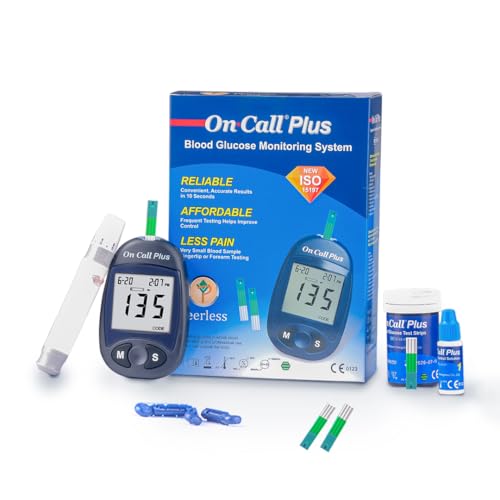
- This product comes in a proper packaging
- It ensures you get the best usage for a longer period
- It is made up of premium quality material
- GDH-FAD Strip: Measures the blood sugar level accurately with test strips based on FAD-dependent glucose dehydrogenase (…
- Ketone Alert: Dr Trust (USA) Glucometer gives early warning if your ketones are rising or are out of balance in your blo…
- Alternate Site Testing: GDH-FAD strips can be applied to small blood samples (0.5µL) collected from upper arm, forearm, …