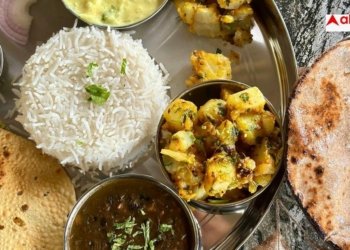






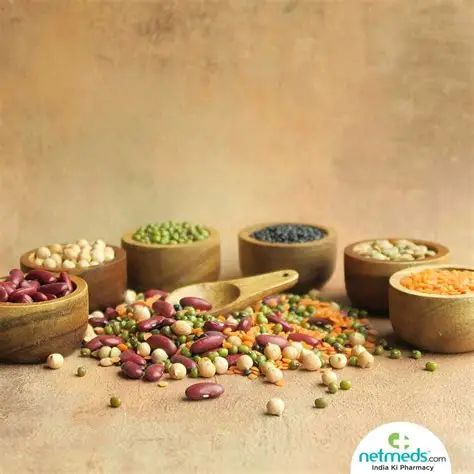
A fiber-rich diet is essential for a healthy gut. It promotes regular bowel movements, feeds beneficial gut bacteria (acting as a prebiotic), and helps prevent conditions like constipation, IBS, and even more serious diseases. Indian cuisine, with its reliance on pulses, whole grains, vegetables, and spices, is naturally poised to be a powerhouse of dietary fiber.
Here’s a breakdown of the best high-fiber Indian foods to incorporate into your diet
1. Whole Grains (Anaj)
Indian cuisine offers a fantastic variety of fiber-rich whole grains beyond just wheat.
Jowar (Sorghum): A gluten-free grain packed with fiber. Great for reducing cholesterol and aiding digestion.
How to use: Rotis, bhakris, porridge, or popped as a snack.
Bajra (Pearl Millet): Rich in insoluble fiber, which adds bulk to stool and prevents constipation.
How to use: Bajra rotla (especially in winter), khichdi.
Ragi (Finger Millet): Extremely high in fiber and calcium. Excellent for gut health and bone strength.
How to use: Ragi roti, dosa, mudde (balls), or porridge.
Oats (Jaee): A classic fiber source, containing beta-glucan, a soluble fiber that improves gut health and lowers cholesterol.
How to use: Savoury Indian oats upma, poha, or sweet porridge with fruits.
Brown Rice & Red Rice: Contain significantly more fiber than white rice because the bran layer is intact.
How to use: Replace white rice in khichdi, pulao, or as a side with dal.
Whole Wheat (Gehu): Opt for 100% whole wheat flour (atta) over refined flour (maida) for your chapatis.
How to use: Chapatis, parathas (with fiber-rich stuffings).
2. Pulses and Legumes (Dal & Rajma, Chana)
This is the cornerstone of Indian fiber intake. Dals are excellent sources of both soluble and insoluble fiber.
Chana (Chickpeas): Both Kabuli Chana (white chickpeas) and Kala Chana (black chickpeas) are fiber superstars.
How to use: Chole, hummus, salads, boiled chana chaat.
Rajma (Kidney Beans): Famous for its high fiber and protein content.
How to use: Classic rajma masala.
Moong Dal (Split Yellow Lentils): Easier to digest than other dals while still being high in fiber. Especially good when sprouted.
How to use: Dal, khichdi, sprouted moong salad.
Masoor Dal (Red Lentils): Cooks quickly and is packed with fiber.
How to use: Dal, soups.
Whole Dals with Skin: Dals like Sabut Moong (whole green gram) and Sabut Masoor (whole brown lentils) have more fiber than their split and skinned counterparts.
How to use: Cook them as a hearty dal or in soups.
3. Vegetables (Sabzi)
Many classic Indian vegetables are loaded with gut-friendly fiber.
Leafy Greens (Saag): Spinach (palak), methi, bathua, amaranth (chaulai) are all excellent choices.
How to use: Saag dishes, adding finely chopped greens to dals, paratha stuffings, or besan sabzi (like methi mutter malai).
Cruciferous Vegetables: Gobhi (Cauliflower), Bandh Gobhi (Cabbage), and Brussels Sprouts are high in fiber and promote a healthy gut microbiome.
How to use: Sabzis, stir-fries, or even grated in parathas.
Other High-Fiber Veggies:
Bhindi (Okra): Known for its mucilaginous fiber, which aids digestion.
Baingan (Brinjal/Eggplant): Good source of fiber.
Shimla Mirch (Bell Peppers), Gajar (Carrots), and Beans (Frans): Add them to curries, sabzis, and salads.
4. Fruits (Phal)
Berries (Indian Berries like Jamun, Phalse): High in fiber and antioxidants.
Guava (Amrood): One of the best high-fiber fruits. Eat it with a pinch of black salt.
Pears (Nashpati) & Apples (Seb): Eat them with the skin on for maximum fiber benefit.
Oranges & Mosambi (Sweet Lime): The white pith is a great source of fiber, so don’t strip it all away.
5. Nuts and Seeds (Mevae aur Beej)
Chia Seeds & Sabja Seeds (Basil Seeds): Extremely high in soluble fiber, they form a gel-like substance in the gut that aids digestion.
How to use: Add to water, lemonade, smoothies, or yoghurt.
Flax Seeds (Alsi): Great source of both fiber and omega-3 fatty acids. Always consume ground flaxseeds for best absorption.
How to use: Mix into dough for rotis, add to smoothies or dahi.
Almonds (Badaam) & Pistachios (Pista): Contain good amounts of fiber and healthy fats. Soak them overnight for better digestion.
🍽️ Practical Tips to Increase Fiber Intake
Start Your Day with Fiber: Have a bowl of oatmeal, poha, or upma made with lots of vegetables.
Sprout Your Pulses: Sprouting increases the fiber content and makes nutrients more bioavailable. Make a simple sprouted moong chaat with onions, tomatoes, and lemon.
Salad is a Must: Have a small bowl of salad (with cucumber, carrots, tomatoes, beetroot) with your main meals. Add a spoonful of sprouted beans or seeds for a boost.
Smart Swaps:
Choose brown rice over white rice.
Choose whole wheat bread/atta over white bread/maida.
Choose whole fruits over fruit juices.
Snack Smart: Instead of namkeen or biscuits, opt for a handful of nuts, a fruit, or roasted chana.
Hydrate, Hydrate, Hydrate: Increasing fiber intake without drinking enough water can lead to constipation. Aim for 8-10 glasses of water a day.
Disclaimer: This information is for educational purposes only and is not a substitute for professional medical advice. If you have a specific gut health condition (like IBS, Crohn’s disease, or ulcers), please consult a doctor or a registered dietitian before making significant changes to your diet, as some high-fiber foods may need to be moderated. Increase your fiber intake gradually to allow your gut to adapt.
*Book your personalized diet plan at PickByDoc.com*