






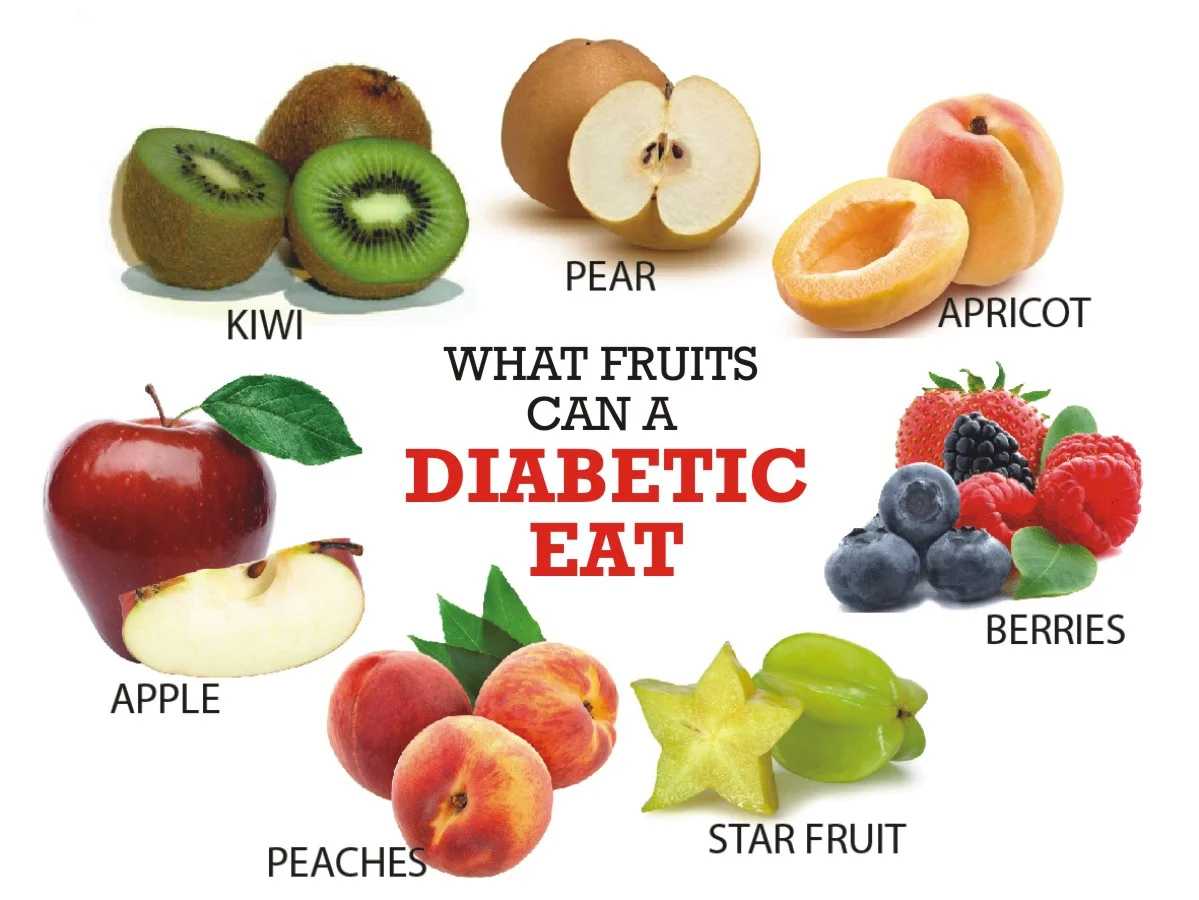
Managing diabetes doesn’t mean eliminating fruits; it means making smart, informed choices. Fruits are a vital source of vitamins, minerals, fiber, and antioxidants. The key is to select those with a Low Glycemic Index (GI) and practice strict portion control.
✅ Top 10 Diabetes-Friendly Fruits in India
Guava (Amrood)
GI: 12–24 (Very Low)
Benefits: High in fiber & vitamin C. Improves satiety and helps prevent sudden glucose spikes.
How to Eat: Best eaten peeled (avoid seeds if you have digestive issues).
Portion: 1 medium-sized fruit.
Apple (Seb)
GI: ~36 (Low)
Benefits: Rich in soluble fiber (pectin) which slows glucose absorption. Lowers cholesterol and supports heart health.
How to Eat: Always eat whole with the skin on, not as juice.
Portion: 1 small to medium apple.
Jamun (Indian Blackberry)
GI: 25 (Low)
Benefits: Contains jamboline, a compound known to slow down the conversion of starch to sugar. Traditionally used in Ayurveda for diabetes control.
How to Eat: Fresh fruit when in season. Jamun seed powder is also used.
Portion: A handful (approx. 50-60 grams).
Pear (Nashpati)
GI: ~38 (Low)
Benefits: High water and fiber content supports healthy bowel movement and stable blood sugar levels.
How to Eat: Best eaten with the skin for extra fiber.
Portion: 1 small pear.
Citrus Fruits: Orange & Mosambi (Sweet Lime)
GI: ~43 (Low)
Benefits: High in vitamin C & potassium, supports immunity and heart health. The fiber content mitigates sugar absorption.
How to Eat: Crucially, eat the whole fruit instead of drinking juice.
Portion: 1 medium orange or 2 sweet limes.
Berries (Strawberry, Blueberry, Indian Mulberry – Shahtoot)
GI: 25–40 (Low)
Benefits: Rich in polyphenols & anthocyanins which improve insulin sensitivity & protect against heart disease.
Portion: ½ cup of fresh berries.
Papaya (Papita)
GI: ~60 (Medium)
Benefits: Improves digestion, rich in antioxidants like beta-carotene. Helps in weight management and immunity.
Note: Safe only with strict portion control due to its medium GI.
Portion: 1 small bowl (approx. 1 cup cubed).
Pomegranate (Anar)
GI: ~53 (Medium)
Benefits: High in antioxidants (punicalagins) which protect the heart. Some studies suggest improved insulin sensitivity.
Portion: ½ cup of seeds.
Kiwi
GI: ~50 (Low-Moderate)
Benefits: Rich in vitamin C, potassium & fiber. Excellent for weight management & glycemic control.
Portion: 1 medium kiwi.
Watermelon (in strict moderation)
GI: ~72 (High)
Benefits: High water content promotes hydration & satiety.
Important Note: It has a high GI but a low Glycemic Load (GL) per small serving, meaning a tiny portion may not drastically spike blood sugar.
Portion: Very small slice (approx. 100g or ⅔ cup diced). Not for daily consumption.
🚫 Fruits to Limit or Avoid
These fruits have a high glycemic index and/or high sugar content. They should be consumed rarely and only when blood sugar levels are well-controlled. Always consult your doctor before consuming these.
Mango (Aam), Banana (Kela), Grapes (Angoor), Chikoo (Sapota), Dates (Khajoor), Custard Apple (Sitaphal), Litchi, Figs (Anjeer).
✅ Essential Practical Tips for Diabetic Patients
Whole Fruit vs. Juice: Always choose whole fruit. Juices, even fresh ones, remove beneficial fiber and concentrate the sugar, leading to rapid blood sugar spikes.
The Power of Combination: Never eat fruit alone. Combine it with a source of protein or healthy fat (e.g., a handful of nuts, a cup of curd, or a spoon of seeds) to significantly slow down sugar absorption.
Portion Control is Key: One serving is typically 1 medium-sized fruit or ½ cup of chopped fruit. Use a small bowl or katori to avoid overeating.
Timing Matters: The best time to eat fruit is as a mid-morning or mid-evening snack. Avoid eating fruit immediately after a main meal as it can lead to a high post-meal sugar spike.
Monitor and Learn: Check your blood sugar levels before and 2 hours after eating a new fruit to understand how your body responds. This helps create a personalized diet plan.
👨⚕️ Doctor’s Final Note & Missing Information
“Fruits are not forbidden in diabetes. They are an essential part of a balanced diet, providing necessary micronutrients and fiber that processed foods lack. The fear of fruit sugar (fructose) is often misplaced when viewed in the context of whole fruits and appropriate portions.
However, individual responses to food can vary. The most critical step is to consult with your diabetologist or a registered dietitian to create a tailored meal plan. What works for one person may not work for another. Factors like your current medication (e.g., insulin or metformin), overall glycemic control, weight, and activity levels all play a role in determining the right fruits and portions for you.
Do not make drastic dietary changes based on general lists alone. Use this guide as a reference for informed discussions with your healthcare provider.”
Disclaimer: This information is for educational purposes only and is not a substitute for professional medical advice, diagnosis, or treatment. Always seek the advice of your physician or other qualified health provider with any questions you may have regarding a medical condition.
*Book your personalized diet plan at PickByDoc.com*