Vitamin D3, also known as cholecalciferol, is not just a vitamin but a prohormone—meaning it functions like a hormone in the body. Synthesized in the skin upon exposure to sunlight, it plays an essential role in calcium and phosphorus metabolism, bone integrity, immune modulation, and various other physiological functions.
🧬 Biological Function and Mechanism
Once synthesized or ingested, Vitamin D3 is converted in the liver to 25-hydroxyvitamin D [25(OH)D], which is the main circulating form used to assess status. It is then converted in the kidneys to the active form, 1,25-dihydroxyvitamin D [1,25(OH)₂D], which binds to vitamin D receptors (VDRs) present in almost every tissue, influencing gene expression and cellular function.
Key Functions Include:
- Bone health: Regulates calcium and phosphorus absorption in the intestines; essential for mineralization of bone.
- Parathyroid regulation: Works with parathyroid hormone (PTH) to maintain calcium homeostasis.
- Immune system: Enhances innate immunity and modulates inflammatory response.
- Endocrine support: Influences insulin secretion, thyroid regulation, and supports reproductive health.
- Neurological health: Plays a role in mood stabilization, neurotransmitter synthesis, and cognitive function.
☢️ Vitamin D3 Deficiency: Causes and Risk Factors
Common Causes:
- Limited sunlight exposure (e.g., indoor lifestyle, long winters, sunscreen use)
- Darker skin tones (reduced synthesis)
- Malabsorption syndromes (e.g., celiac, Crohn’s disease)
- Liver or kidney disorders
- Obesity (sequestration in fat tissues)
- Older age (reduced skin synthesis capacity)
At-Risk Populations:
- Postmenopausal women
- Infants who are breastfed without supplementation
- People with chronic illnesses
- Those on long-term corticosteroids or anticonvulsants
⚠️ Clinical Manifestations of Deficiency
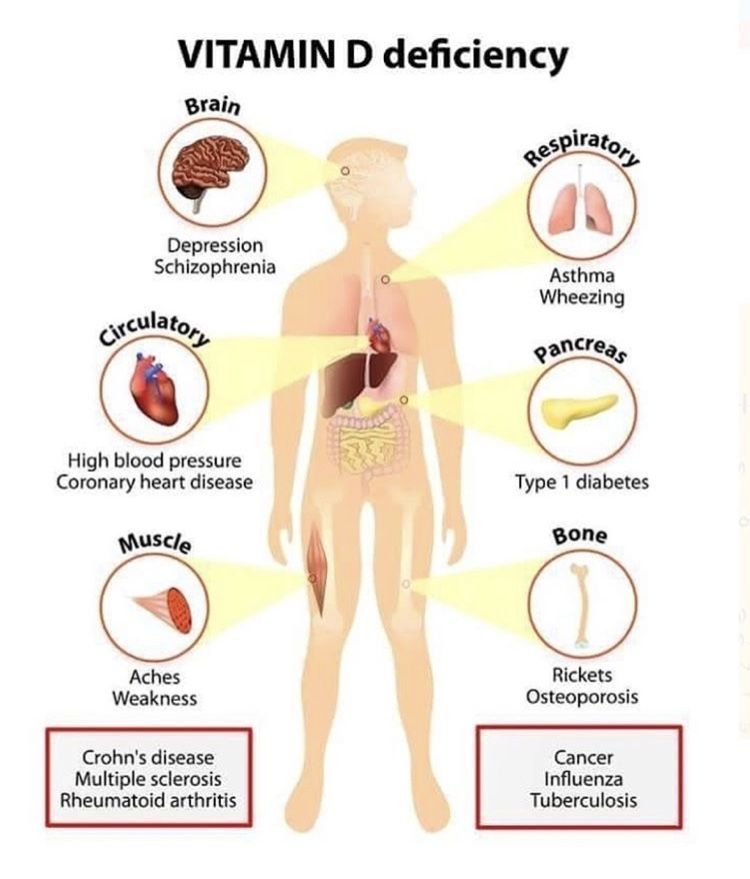
Vitamin D3 deficiency is associated with a wide range of systemic effects due to its widespread receptor expression:
1. Musculoskeletal System
- Rickets in children (growth retardation, skeletal deformities)
- Osteomalacia and osteoporosis in adults
- Increased risk of fractures and falls in the elderly
- Muscle pain, weakness, and cramps
2. Neuropsychiatric
- Depression, mood disorders
- Cognitive decline
- Schizophrenia (associative risk)
3. Immune and Autoimmune Disorders
- Increased susceptibility to infections (e.g., TB, influenza)
- Autoimmune conditions: multiple sclerosis, rheumatoid arthritis, type 1 diabetes
4. Cardiovascular
- Hypertension
- Coronary artery disease
5. Respiratory
- Asthma exacerbation
- Wheezing and recurrent infections
🧪 Diagnosis and Testing
The most reliable test is:
Serum 25-hydroxyvitamin D [25(OH)D] levels
Reference Ranges:
- < 20 ng/mL – Deficiency
- 20–30 ng/mL – Insufficiency
- 30–100 ng/mL – Sufficiency
- >150 ng/mL – Potential toxicity
🥗 Sources of Vitamin D3
Natural Sources:
- Fatty fish (salmon, mackerel, sardines)
- Cod liver oil
- Egg yolks
- Beef liver
- Fortified dairy and plant-based milk
- Mushrooms (contain D2, less bioavailable)
Sunlight:
- 10–30 minutes of sunlight exposure to face, arms, and legs at least 2–3 times a week (varies by skin tone, latitude, and season)
Supplements:
- Cholecalciferol (Vitamin D3) is preferred over ergocalciferol (D2)
- Typical doses:
- Maintenance: 800–2,000 IU/day
- Deficiency treatment: 50,000 IU weekly for 6–8 weeks, followed by maintenance dosing
💊 Benefits of Optimal Vitamin D3 Levels
- Improved bone density and reduced fracture risk
- Better immune resilience against respiratory infections and chronic illnesses
- Mood stabilization and reduced risk of depression
- Lower incidence of chronic inflammation, metabolic syndrome, and possibly cancer (ongoing research)
- Supports glucose regulation, reducing risk in prediabetes and diabetes
⚠️ Vitamin D Toxicity
While rare, excess intake (often from inappropriate supplementation) can lead to:
- Hypercalcemia
- Nausea, vomiting
- Confusion
- Kidney stones or renal failure
Tolerable Upper Intake Limit (UL): 4,000 IU/day for adults (without medical supervision)
👩⚕️ Special Focus: Vitamin D3 and Menopause
In menopausal women, declining estrogen levels exacerbate bone resorption, increasing the risk of osteoporosis. Vitamin D3:
- Enhances calcium absorption
- Reduces bone loss
- Regulates mood
- Supports immunity during hormonal changes
Therefore, routine screening and supplementation are essential for women over 45 years, especially postmenopausal.
🧠 Final Thoughts
Vitamin D3 is more than a bone vitamin—it’s a crucial hormone-like compound with effects on nearly every system in the body. Addressing deficiency through proper lifestyle habits, diet, and supplements when needed is an easy yet powerful step toward preventive health care.
For patients with persistent fatigue, mood issues, bone pain, or chronic illnesses, testing Vitamin D levels can reveal an often-missed but treatable cause.