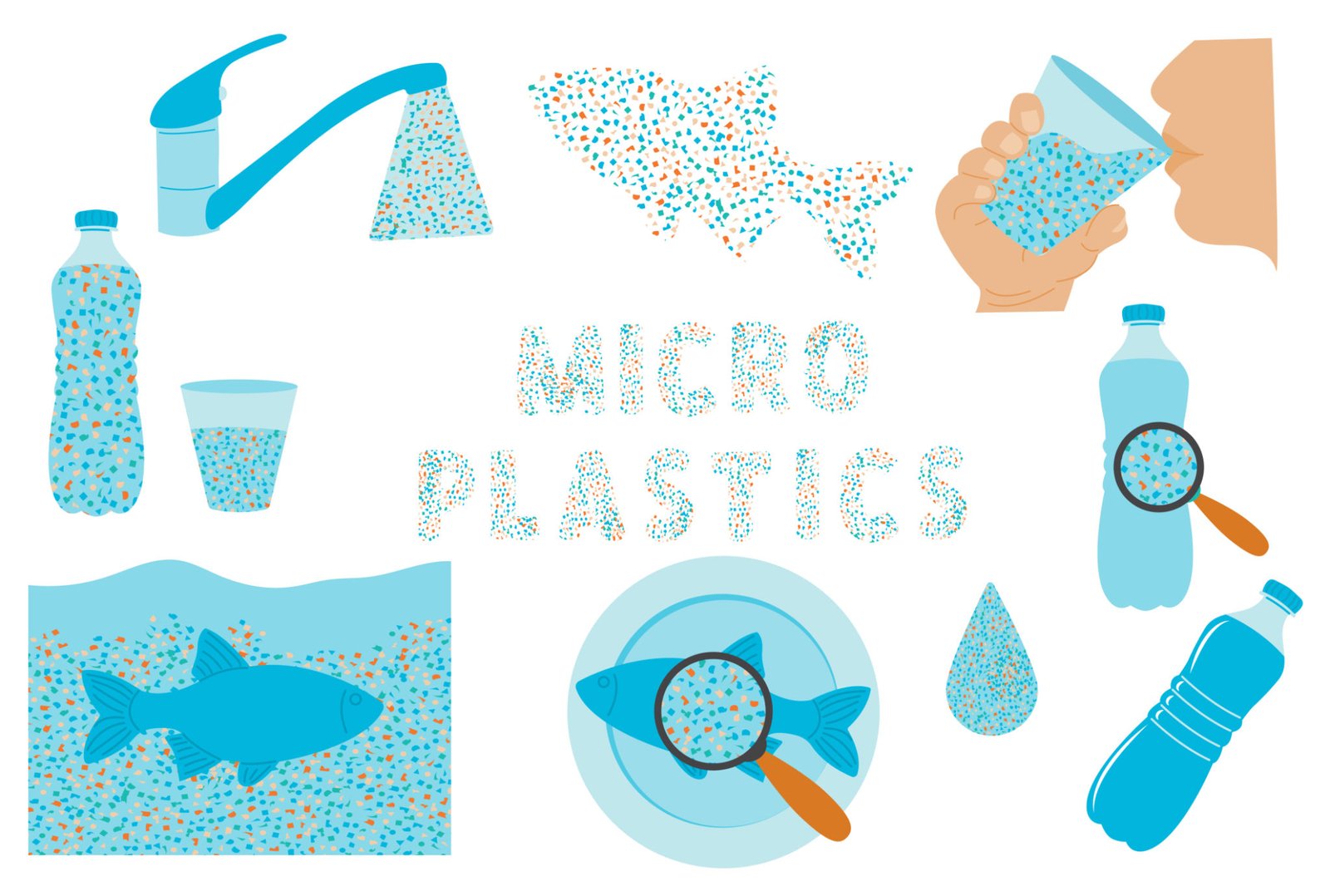
Microplastics and nanoplastics—once thought to be mainly an ocean problem—are now being detected in tap water, groundwater, wastewater, and even treated drinking water. A growing body of research suggests these tiny plastic particles may pose serious risks to human health, especially when combined with other environmental pollutants.
Recent studies published across environmental science, medical research, and public health platforms reveal an alarming reality: we are exposed to plastics daily, often without knowing it.
💧 What Are Microplastics and Nanoplastics?
- Microplastics: Plastic particles <5 mm
- Nanoplastics: Even smaller particles (<1 micrometre), invisible to the naked eye
Because of their tiny size, nanoplastics can:
- Cross biological barriers
- Enter tissues and organs
- Interact directly with cells
This makes them far more dangerous than larger plastic debris.
🧪 Where Are They Coming From?
According to multiple studies:
🚿 Drinking Water & Groundwater
Research reported in Indian and international media confirms the presence of microplastics and nanoplastics in tap water and groundwater, indicating contamination beyond surface water sources.
🚗 Road & Tire Pollution
Nanoplastics are released from:
- Tire wear
- Road dust
- Vehicle braking systems
These particles wash into water systems during rainfall, amplifying toxicity when mixed with chemical pollutants.
🏭 Wastewater Systems
Wastewater treatment plants are not fully equipped to filter out nanoplastics. As a result, they:
- Enter rivers and lakes
- Re-enter drinking water systems
- Accumulate in the environment
⚠️ Why Nanoplastics Are More Dangerous Than Microplastics
Emerging research highlights several concerning effects:
🧠 Increased Toxicity
Nanoplastics can bind with toxic chemicals, such as tire-derived compounds, increasing their harmful potential when ingested.
🧬 Cellular & Organ Damage
Studies show nanoplastics may:
- Alter gut metabolism
- Disrupt liver function
- Trigger oxidative stress
- Promote inflammation
Some findings suggest diet may influence how the body reacts, meaning individuals with metabolic disorders may be more vulnerable.
👶 A Risk to Developing Eyes and Organs
One study highlighted the risk of road-derived nanoplastics on developing eyes, raising concerns about:
- Children
- Pregnant women
- Long-term developmental exposure
Because nanoplastics can interact at a cellular level, early-life exposure may have lasting consequences.
🩺 Potential Health Effects (What We Know So Far)
While long-term human data is still emerging, current evidence links nanoplastics to:
- Gut microbiome disruption
- Liver metabolic changes
- Hormonal interference
- Increased inflammatory responses
- Potential neurodevelopmental effects
Experts stress that absence of proof is not proof of safety.
🌍 Why This Is a Public Health Concern
Unlike other toxins:
- Nanoplastics are ubiquitous
- Exposure is continuous
- Avoidance is difficult
This makes them a chronic, low-dose exposure risk, similar to air pollution or heavy metals.
Environmental scientists warn that regulatory frameworks have not kept pace with the rapid rise in plastic production and environmental contamination.
🛡️ Can Anything Be Done Right Now?
While complete avoidance is impossible, experts suggest risk reduction:
- Use filtered drinking water (RO or high-quality carbon filters)
- Avoid heating food in plastic containers
- Reduce bottled water consumption
- Limit ultra-processed and packaged foods
- Support policies targeting plastic waste reduction
At a policy level, researchers call for:
- Improved wastewater filtration
- Better plastic regulation
- Standardised testing for nanoplastics in water
🧠 Doctor & Public Health Perspective
From a medical standpoint, nanoplastics represent a new class of environmental exposure that may:
- Worsen metabolic diseases
- Increase inflammatory disorders
- Affect vulnerable populations disproportionately
Prevention and policy action are critical—waiting for definitive long-term human harm may come too late.
📌 Final Takeaway
Microplastics and nanoplastics are no longer just an environmental issue—they are a human health issue.
What we can’t see may be doing the most damage.
As science continues to uncover the biological effects of these invisible pollutants, reducing exposure and strengthening environmental safeguards must become a global priority.