Tea is one of the most widely consumed beverages in the world and has long been associated with better health, lower disease risk, and increased longevity. However, recent reports suggest that the health benefits of tea depend greatly on how and when you drink it.
Experts now caution that while tea itself is beneficial, additives and habits around tea consumption may quietly reduce—or even reverse—its advantages.
🌿 Why Tea Is Considered a Healthy Drink
Scientific studies consistently link tea consumption with:
- Reduced risk of heart disease
- Improved blood vessel function
- Lower inflammation
- Better metabolic health
- Possible longevity benefits
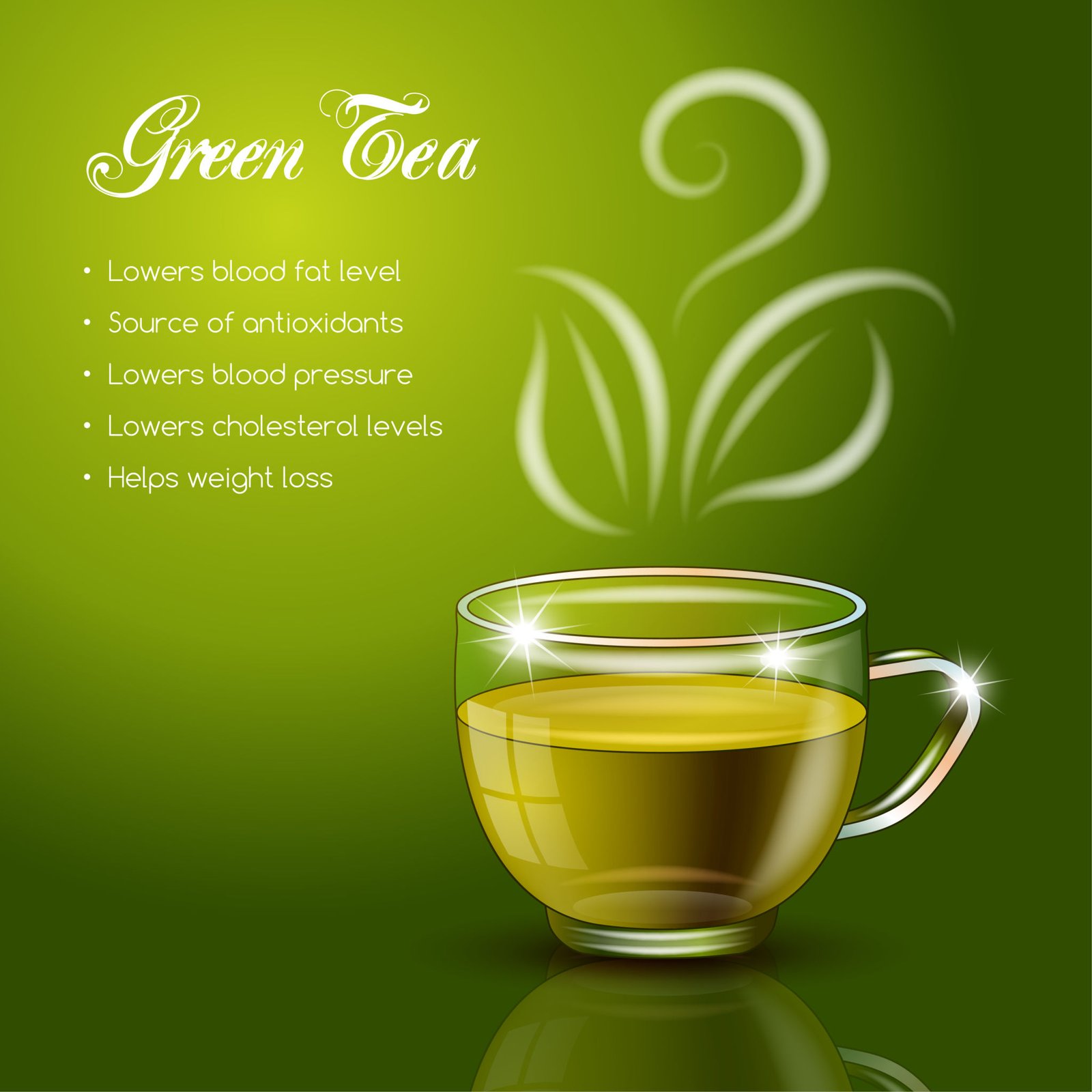
These effects are largely due to polyphenols and flavonoids, powerful antioxidants found especially in green tea and black tea.
Drinking 2–4 cups daily has been associated with improved cardiovascular outcomes and overall health.
⚠️ The Hidden Health Risks: How Tea Is Often Consumed
According to health experts, the problem is not tea—but what we add to it.
Common habits that reduce benefits include:
- Excess sugar or jaggery
- Heavy use of milk or cream
- Very hot tea (burn risk to oesophagus)
- Multiple cups late in the evening (sleep disruption)
Adding sugar converts tea into a high-glycaemic beverage, increasing the risk of:
- Weight gain
- Insulin resistance
- Type 2 diabetes
In fact, sweetened tea may negate many of tea’s protective effects.
🧠 Tea vs Coffee: What Should You Start Your Day With?
Health experts agree that both tea and coffee can be healthy, but their effects differ.
☕ Coffee
- Higher caffeine content
- Boosts alertness quickly
- May cause acidity, palpitations, or anxiety in some people
🍵 Tea
- Lower caffeine, gentler stimulation
- Contains L-theanine → calmer focus
- Better tolerated by people with acidity or anxiety
👉 Tea may be a better morning choice for individuals with:
- Acid reflux
- Anxiety
- Blood pressure concerns
- Poor sleep quality
⏰ Timing Matters More Than You Think
To maximise benefits:
- Avoid very early morning tea on an empty stomach
- Avoid tea late at night
- Best time: mid-morning or early afternoon
Drinking tea too close to meals may also reduce iron absorption, especially in people with anaemia.
🩺 Doctor’s Perspective: How to Drink Tea the Healthy Way
To truly benefit from tea:
✔ Prefer plain tea or minimal milk
✔ Avoid or drastically reduce sugar
✔ Don’t drink it scalding hot
✔ Limit to 2–3 cups/day
✔ Avoid tea within 1 hour of meals if iron-deficient
Green tea, black tea, and herbal teas all have benefits—but simplicity is key.
📌 Final Takeaway
Tea can absolutely support better health and longevity—but only when consumed mindfully.
It’s not just what you drink, but how you drink it that matters.
By reducing sugar, watching timing, and keeping portions sensible, tea can remain one of the healthiest daily habits.