Searches for “Nipah virus symptoms” have surged recently, reflecting growing public concern about this rare but highly fatal zoonotic infection. While outbreaks remain limited, Nipah virus is considered a serious public health threat, particularly in South and Southeast Asia.
Understanding its symptoms, transmission, and prevention is crucial for early detection and containment.
🧬 What Is Nipah Virus?
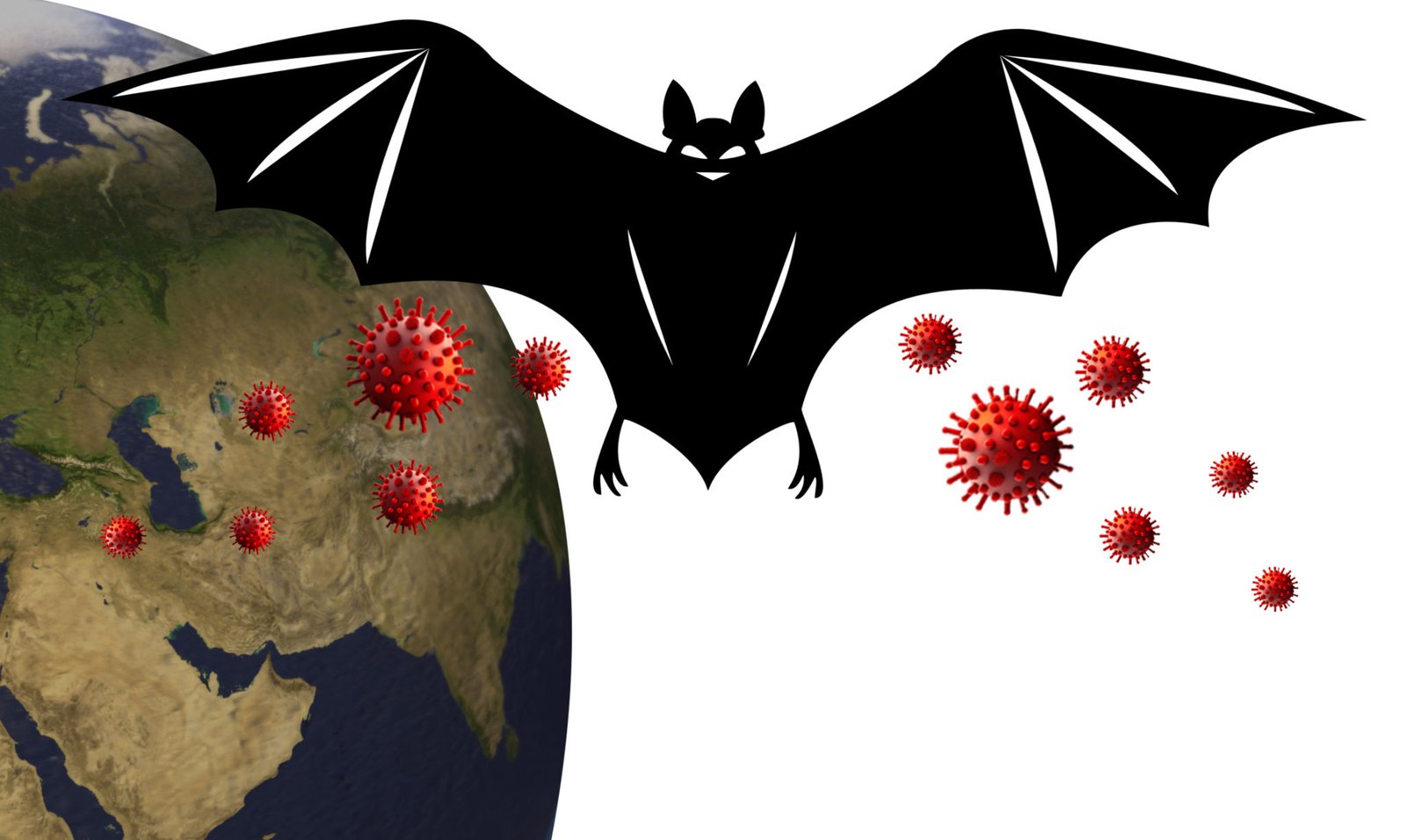
Nipah virus (NiV) is a RNA virus that spreads from animals to humans and can also transmit person-to-person. Fruit bats (Pteropus species) are the natural reservoir.
There is currently no approved vaccine or specific antiviral treatment.
⚠️ Early Symptoms of Nipah Virus
The illness often begins with non-specific flu-like symptoms, which makes early diagnosis challenging.
Common early symptoms include:
- Fever
- Headache
- Muscle pain
- Fatigue
- Sore throat
- Vomiting
Because these symptoms mimic common viral infections, early cases are often missed.
🧠 Severe and Life-Threatening Symptoms
As the disease progresses, Nipah virus can rapidly involve the brain and lungs.
Danger signs include:
- Dizziness and confusion
- Altered consciousness
- Seizures
- Acute encephalitis (brain inflammation)
- Severe respiratory distress
- Coma
➡️ Once neurological symptoms appear, the condition can deteriorate within hours to days.
📊 Why Nipah Virus Is So Dangerous
- Case fatality rate: ~40–75% in previous outbreaks
- Rapid progression: Mild symptoms can turn severe quickly
- Human-to-human transmission: Especially in healthcare and family settings
- High risk to healthcare workers without strict infection control
🦇 How Does Nipah Virus Spread?
Transmission occurs through:
- Contact with infected fruit bats or pigs
- Consumption of contaminated food (e.g., raw date palm sap)
- Close contact with infected individuals
- Exposure to bodily fluids (saliva, respiratory droplets)
🛡️ Prevention & Public Health Measures
Since no vaccine exists, prevention is the only protection:
- Avoid consumption of raw or unprocessed fruit products
- Practice strict hand hygiene
- Use personal protective equipment in healthcare settings
- Isolate suspected cases immediately
- Conduct contact tracing and surveillance
Early isolation has been shown to dramatically reduce spread.
👩⚕️ Doctor’s Perspective
From a clinical standpoint:
- Any patient with fever + neurological symptoms in endemic or outbreak-alert areas should raise suspicion
- Early referral and isolation save lives
- Public awareness prevents panic and improves reporting
📌 Final Takeaway
Nipah virus is rare—but deadly.
The current rise in searches highlights the need for:
- Accurate information
- Early symptom recognition
- Strong infection control
Awareness, not panic, is the key to prevention.