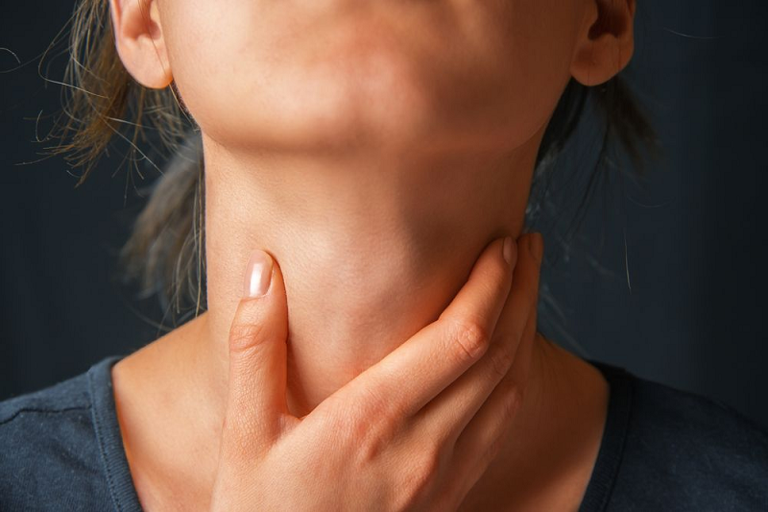
Understanding Thyroid-Related Pain: What Your Body Might Be Telling You
Thyroid disorders, influenced by factors like genetics, autoimmune conditions, and lifestyle, are increasingly common. While the thyroid gland itself isn’t always painful, its dysfunction can cause a cascade of symptoms throughout the body, including specific types of pain. Recognizing these signs is crucial for proper diagnosis and treatment.
The thyroid is a small, butterfly-shaped gland in the neck responsible for producing hormones that regulate metabolism, energy, and overall bodily function. When it malfunctions, it typically leads to either an overactive state (hyperthyroidism) or an underactive state (hypothyroidism).
Here’s a breakdown of the types of pain associated with thyroid issues and what they mean.
1. Neck and Throat Discomfort
This is the most direct type of pain associated with the thyroid gland itself.
- What it feels like: A sense of fullness, tightness, or a visible swelling at the base of the neck (a goiter). It might be uncomfortable to wear turtlenecks or swallow. In some cases, the neck can feel tender.
- Cause: The pain or discomfort is usually due to the gland enlarging. This can happen in both hyperthyroidism (e.g., Graves’ disease) and hypothyroidism (e.g., Hashimoto’s thyroiditis). Important: A sudden, painful lump in the neck requires immediate medical attention to rule out other conditions.
2. Muscle Aches and Weakness (Myopathy)
- What it feels like: A general, deep-seated achiness, stiffness, and weakness in the muscles, particularly in the shoulders, hips, and thighs. You might find it harder to climb stairs or grip objects.
- Cause: This is far more common in hypothyroidism. A shortage of thyroid hormone causes the body’s metabolism to slow down, leading to energy depletion in muscles and fluid retention that contributes to stiffness and aches.
3. Joint Pain and Stiffness (Arthropathy)
- What it feels like: Pain, stiffness, and sometimes swelling in the joints, similar to arthritis. It commonly affects the knees, hands, and small joints.
- Cause: Like muscle pain, this is also a hallmark of hypothyroidism. The slowed metabolism can affect joint lubrication and cause fluid buildup.
4. Nerve-Related Pain and Tingling (Carpal Tunnel Syndrome)
- What it feels like: Numbness, a “pins and needles” sensation, or burning pain in the hands, wrists, and fingers. This is often worse at night.
- Cause: Hypothyroidism can lead to fluid retention that swells tissues, putting pressure on nerves—most notably the median nerve in the wrist. This is known as carpal tunnel syndrome.
What About Headaches, Jaw, and Ear Pain?
The article’s link between thyroid dysfunction and direct pain in the jaw or ears is not a standard or common symptom of typical hyperthyroidism or hypothyroidism. While any chronic illness can make a person more susceptible to tension headaches, persistent jaw or ear pain is more likely linked to TMJ disorders, dental issues, or ear infections and should be evaluated separately.
Why Ignoring These Symptoms Can Be Costly
Dismissing thyroid-related pain and other symptoms can lead to serious long-term health complications:
- Untreated Hypothyroidism can lead to high cholesterol, heart disease, depression, and in severe cases, a life-threatening coma (myxedema coma).
- Untreated Hyperthyroidism can cause heart problems like atrial fibrillation, osteoporosis, and a dangerous “thyroid storm” (a sudden intensifying of symptoms).
What to Do If You Suspect a Thyroid Problem
- Consult a Doctor: Do not self-diagnose. If you experience a combination of neck swelling, unexplained muscle/joint pain, fatigue, significant weight changes, and temperature sensitivities, see a healthcare provider.
- Get Tested: A simple blood test measuring TSH (Thyroid-Stimulating Hormone), T4, and T3 is the only way to accurately diagnose a thyroid disorder.
- Follow Treatment: Thyroid conditions are highly manageable with medication (like levothyroxine for hypothyroidism) that restores hormone balance. Once treated, associated pain often resolves or significantly improves.
Disclaimer: This article is for informational purposes only and is not a substitute for professional medical advice, diagnosis, or treatment. Always seek the advice of your physician or other qualified health provider with any questions you may have regarding a medical condition.