How to Manage Blood Pressure for a Healthy Heart
High blood pressure, or hypertension, is a silent threat to your heart health. Often presenting no symptoms, it significantly increases your risk of heart disease, stroke, and kidney failure. The key to protection is proactive management. This ultimate guide will provide you with a clear, actionable plan on how to manage blood pressure effectively and secure your long-term health.
Understanding Your Blood Pressure Numbers
To effectively manage blood pressure, you must first understand what the numbers mean. Blood pressure is measured in millimeters of mercury (mm Hg) and consists of two values:
- Systolic (top number): Pressure in your arteries during a heartbeat.
- Diastolic (bottom number): Pressure in your arteries between heartbeats.
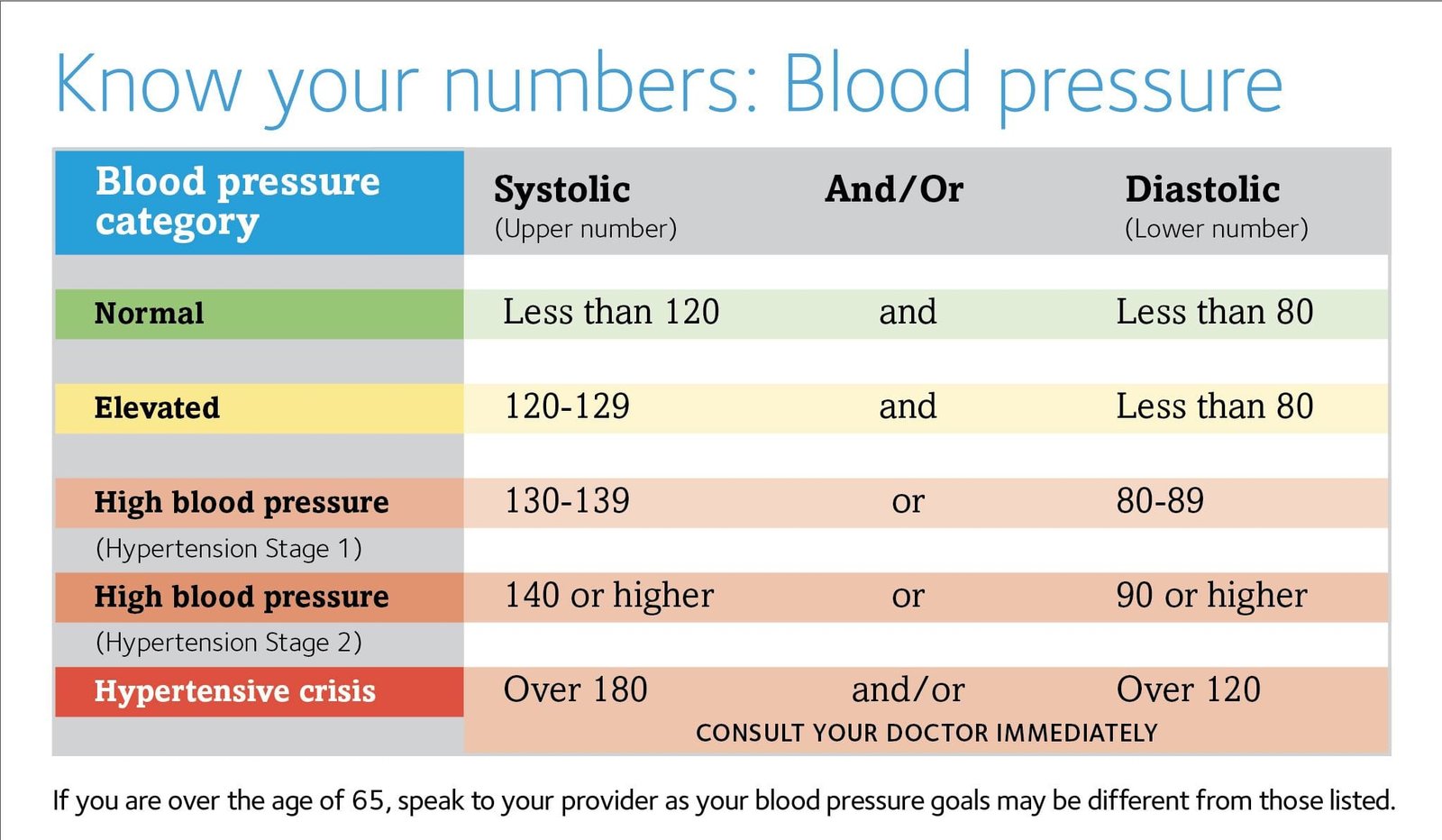
Categories define your action plan:
- Normal: < 120/80 mm Hg (Goal to maintain)
- Elevated: 120-129 / <80 mm Hg (Warning to manage blood pressure with lifestyle changes)
- Hypertension Stage 1: 130-139 / 80-89 mm Hg (Lifestyle changes and possibly medication)
- Hypertension Stage 2: ≥ 140/90 mm Hg (Typically requires medication and lifestyle changes)
Regular check-ups are non-negotiable. You can’t manage what you don’t measure.
How to Manage Blood Pressure with Lifestyle Changes
Lifestyle modifications are the most powerful way to prevent and control hypertension. Here’s your action plan:
1. Adopt a Blood Pressure-Friendly Diet
Your diet is your first line of defense to manage blood pressure.
- Reduce Sodium Intake: Excess salt forces your body to retain water, raising pressure.
- Goal: Aim for less than 2,300 mg daily, ideally moving toward 1,500 mg.
- How: Ditch processed foods, cook at home, use herbs and spices for flavor, and become a vigilant label reader.
- Embrace Potassium: Potassium lessens sodium’s effects.
- Eat More: Bananas, spinach, sweet potatoes, avocados, and beans.
- Follow the DASH Diet: The Dietary Approaches to Stop Hypertension (DASH) diet is clinically proven to manage blood pressure. It prioritizes fruits, vegetables, whole grains, and lean proteins while limiting saturated fat and sugar.
2. Achieve a Healthy Weight
Carrying excess weight strains your heart and circulatory system.
- The Impact: Losing just 5-10 pounds can make a substantial difference in your readings.
- The Strategy: Combine a balanced, calorie-conscious diet with regular exercise for sustainable weight loss of 1-2 pounds per week.
3. Get Regular Physical Activity
Exercise makes your heart stronger and more efficient.
- Goal: 150 minutes per week of moderate activity (brisk walking, cycling) or 75 minutes of vigorous activity.
- Bonus: Add strength training twice a week. Consistent activity is one of the most effective ways to manage blood pressure naturally.
4. Limit Alcohol and Monitor Caffeine
- Alcohol: While controversial, excessive drinking is a known cause of hypertension.
- Limit: No more than 1 drink per day for women and 2 for men.
- Caffeine: Can cause a short-term spike. If you have hypertension, discuss your caffeine intake with your doctor.
5. Manage Stress and Prioritize Sleep
Chronic stress and poor sleep can lead to unhealthy habits and hormonal changes that elevate blood pressure.
- To Manage Stress: Practice mindfulness, meditation, deep breathing, or enjoy hobbies.
- To Improve Sleep: Aim for 7-9 hours of quality sleep per night in a dark, cool room.
6. Quit Smoking
Every cigarette causes a temporary spike in blood pressure. The chemicals in tobacco also permanently damage artery walls. Quitting is critical to manage blood pressure and overall cardiovascular risk.
Medical Treatment to Manage Blood Pressure
When lifestyle changes aren’t enough, medication is a vital tool. Always take medication as prescribed by your doctor. Common options include:
- Diuretics: Flush excess sodium and water from the body.
- ACE Inhibitors/ARBs: Relax blood vessels by blocking hormone-related narrowing.
- Calcium Channel Blockers: Relax the muscle cells in artery walls.
- Beta-Blockers: Reduce heart rate and the heart’s workload.
A combination of drugs is often used for a synergistic effect.
Conclusion: Your Heart Health is in Your Hands
Knowing how to manage blood pressure is the first step toward a longer, healthier life. By committing to these dietary, exercise, and lifestyle changes, you take control of your heart health and dramatically reduce your risk of serious complications.
Disclaimer: This information is for educational purposes. Always consult with a healthcare professional for personalized medical advice and before starting any new health regimen.