Browse by Categories

  • Fitness & Lifestyle (4,102)
  • Health Conditions (2,874)
  • Nutrition & Diet (191)
  • Symptoms & Diagnosis (3)
  • Home
  • Fitness & Lifestyle
  • Health Conditions
  • Nutrition & Diet
  • Symptoms & Diagnosis
  • Diet plans
  • Shop
Friday, March 27, 2026
PICKBYDOC
  • Login
  • Home
  • Fitness & Lifestyle
  • Health Conditions
  • Nutrition & Diet
  • Symptoms & Diagnosis
  • Diet plans
  • Shop
No Result
View All Result
  • Home
  • Fitness & Lifestyle
  • Health Conditions
  • Nutrition & Diet
  • Symptoms & Diagnosis
  • Diet plans
  • Shop
No Result
View All Result
PickByDoc – RG Diet & Wellness
No Result
View All Result
  • Home
  • Full Body Checkup
  • Wellness Shop
  • Diet Plans
  • Physician On Line
  • Blog
Home Health Conditions

Myofascial Pain Syndrome (MPS)

g75.rajesh@gmail.com by g75.rajesh@gmail.com
07/15/2025
in Health Conditions
Reading Time: 5 mins read
A A
Myofascial Pain Syndrome (MPS)

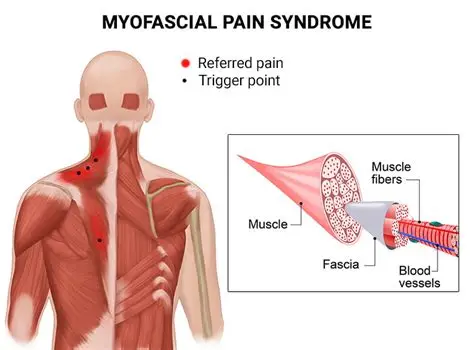
Myofascial Pain Syndrome (MPS) is a chronic pain condition that affects the muscles and the connective tissue (fascia) surrounding them. Unlike general muscle soreness, MPS is marked by the development of trigger points — tight, sensitive knots within a muscle that cause pain either at the site or in a referred area.

This often-overlooked condition can significantly affect quality of life if not diagnosed and treated effectively.


🧠 What is Myofascial Pain Syndrome?
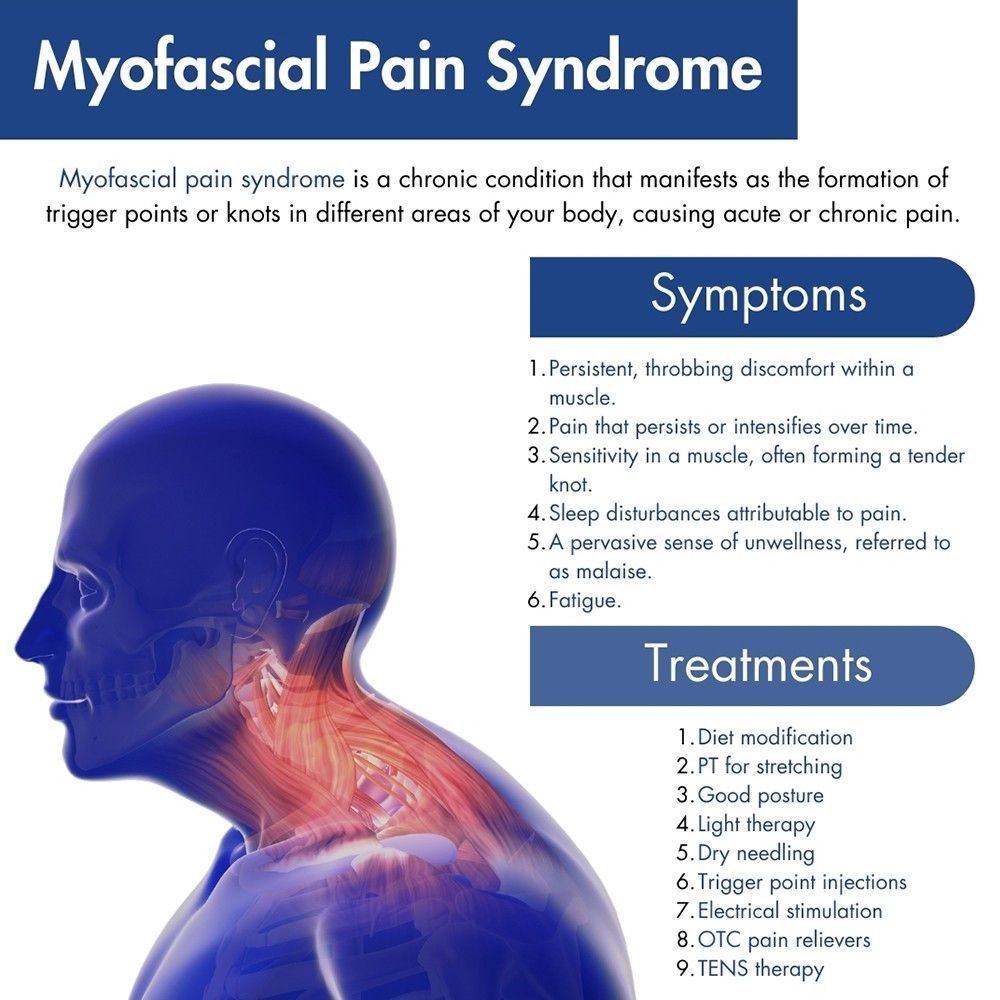
Myofascial Pain Syndrome is characterized by:

  • Persistent muscle pain, often deep, throbbing, or aching
  • Formation of trigger points — tight bands or knots in muscles
  • Pain that can be localized or referred (felt in another part of the body)
  • Chronic discomfort that may be worsened by stress or activity

While it can affect anyone, it is more commonly seen in people with repetitive strain, poor posture, or psychological stress.


⚠️ Common Symptoms of MPS

Myofascial Pain Syndrome symptoms vary from mild discomfort to debilitating pain. The most common signs include:

  1. Persistent, throbbing muscle discomfort
  2. Pain that intensifies over time or with use
  3. Muscle sensitivity — often forming a palpable tender knot
  4. Disturbed sleep due to pain or muscle tension
  5. A general sense of fatigue or malaise
  6. Restricted range of motion in affected areas

These symptoms can mimic other conditions like fibromyalgia, making proper diagnosis essential.


🔍 What Causes Myofascial Pain Syndrome?

While the exact cause is often multifactorial, common contributors include:

  • Poor posture and ergonomics
  • Repetitive movements (e.g., typing, lifting)
  • Muscle overuse or trauma
  • Emotional stress or anxiety
  • Sedentary lifestyle
  • Nutritional deficiencies (like vitamin D or magnesium)

Trigger points can remain latent or become active after a physical or emotional trigger.


🛠️ Treatments for Myofascial Pain Syndrome

Effective management involves a combination of physical therapy, lifestyle changes, and medical interventions.

✅ Conservative & Lifestyle Treatments:

  1. Diet modification (anti-inflammatory foods, hydration)
  2. Stretching routines guided by physiotherapists
  3. Posture correction through ergonomic assessment
  4. Light therapy to enhance circulation and healing
  5. TENS therapy (Transcutaneous Electrical Nerve Stimulation)
  6. OTC pain relievers (NSAIDs or topical analgesics)

💉 Advanced Therapies:

  1. Dry needling – similar to acupuncture, targets trigger points
  2. Trigger point injections – with local anesthetic or corticosteroids
  3. Electrical stimulation – to relax tight muscle bands

Recovery often requires a multidisciplinary approach involving physiotherapists, pain specialists, and lifestyle coaches.


🧘 Prevention & Self-Care Tips

  • Practice daily stretching and mobility exercises
  • Maintain good posture, especially at workstations
  • Use ergonomic chairs and keyboards
  • Manage stress with meditation, yoga, or breathing techniques
  • Avoid muscle overuse and stay physically active

🩺 When to Seek Help

You should see a healthcare professional if you experience:

  • Pain that persists for more than a few weeks
  • Discomfort that interferes with sleep or daily activities
  • Muscle knots that don’t respond to massage or rest
  • Widespread pain without a clear cause

Early diagnosis and therapy can prevent the transition from acute muscle strain to chronic MPS.


💡 Final Thoughts

Myofascial Pain Syndrome is more than just a sore muscle — it’s a chronic pain condition that requires attention, awareness, and structured management. Whether you’re a working professional, athlete, or homemaker, learning to recognize trigger points and adopting healthy muscle habits can make a significant difference.

If you’re struggling with muscle pain that just won’t go away, consult a physiotherapist or pain management specialist today. Relief might be just a few stretches or trigger point releases away.


Previous Post

How to Fix Back Pain: Types, Causes & Quick Relief Tips

Next Post

Fatty Liver Warning Signs You Should Never Ignore: What Your Body Is Telling You

g75.rajesh@gmail.com

g75.rajesh@gmail.com

RelatedPosts

Can GLP-1 Drugs Prevent Worsening Mental Illness? Perhaps, Study Suggests

Can GLP-1 Drugs Prevent Worsening Mental Illness? Perhaps, Study Suggests

by g75.rajesh@gmail.com
03/26/2026
0

(MedPage Today) -- People with pre-existing depression or anxiety were less likely to have mental health worsening while taking a...

Plunge in Antiviral Scripts for Hep C Points to Unmet Treatment Needs

Plunge in Antiviral Scripts for Hep C Points to Unmet Treatment Needs

by g75.rajesh@gmail.com
03/26/2026
0

(MedPage Today) -- Hailed as breakthrough treatments at their 2013 debut, the number of direct-acting antiviral (DAA) prescriptions to treat...

Pediatrician Who Traded Drugs for Sex Gets 20 Years in Prison

Pediatrician Who Traded Drugs for Sex Gets 20 Years in Prison

by g75.rajesh@gmail.com
03/26/2026
0

(MedPage Today) -- A former St. Louis County pediatrician was sentenced to 20 years in prison for prescribing pain pills...

Are We Missing Tumors When Using Antibiotics Alone for Appendicitis?

Are We Missing Tumors When Using Antibiotics Alone for Appendicitis?

by g75.rajesh@gmail.com
03/26/2026
0

(MedPage Today) -- The risk of missing aggressive appendiceal tumors in patients with acute appendicitis treated with antibiotics only was...

Bedside Classification of ARDS Subtype May Help Spot Patients With Higher Death Risk

Bedside Classification of ARDS Subtype May Help Spot Patients With Higher Death Risk

by g75.rajesh@gmail.com
03/26/2026
0

(MedPage Today) -- CHICAGO -- Classifying inflammatory subphenotypes of acute respiratory distress syndrome (ARDS) with bedside lab testing was feasible...

Blood Clots After Colonoscopy; Antibiotics and IBS Risk; Can Vitamin D Calm IBD?

Blood Clots After Colonoscopy; Antibiotics and IBS Risk; Can Vitamin D Calm IBD?

by g75.rajesh@gmail.com
03/26/2026
0

(MedPage Today) -- Retrospective data showed that resuming direct oral anticoagulants (DOACs) 2 days or more following an elective colonoscopy...

Load More
Please login to join discussion
Facebook Twitter Pinterest VK RSS

Categories

  • Fitness & Lifestyle
  • Health Conditions
  • Nutrition & Diet
  • Symptoms & Diagnosis

© 2025 PickByDoc. All rights reserved. PickByDoc is a medical news & health awareness platform.

No Result
View All Result
  • Home
  • Fitness & Lifestyle
  • Health Conditions
  • Nutrition & Diet
  • Symptoms & Diagnosis
  • Diet plans
  • Shop

© 2025 PickByDoc. All rights reserved. PickByDoc is a medical news & health awareness platform.

Welcome Back!

Login to your account below

Forgotten Password?

Retrieve your password

Please enter your username or email address to reset your password.

Log In
This website uses cookies. By continuing to use this website you are giving consent to cookies being used. Visit our Privacy and Cookie Policy.