Back pain is one of the most common health complaints worldwide and the leading cause of disability across all age groups. In fact, experts estimate that 4 out of 5 people will experience back pain at some point in their lives.
But not all back pain is the same — it can occur in different regions, each with its own causes, symptoms, and treatment approaches. Let’s break it down.
🧠 Understanding the Back
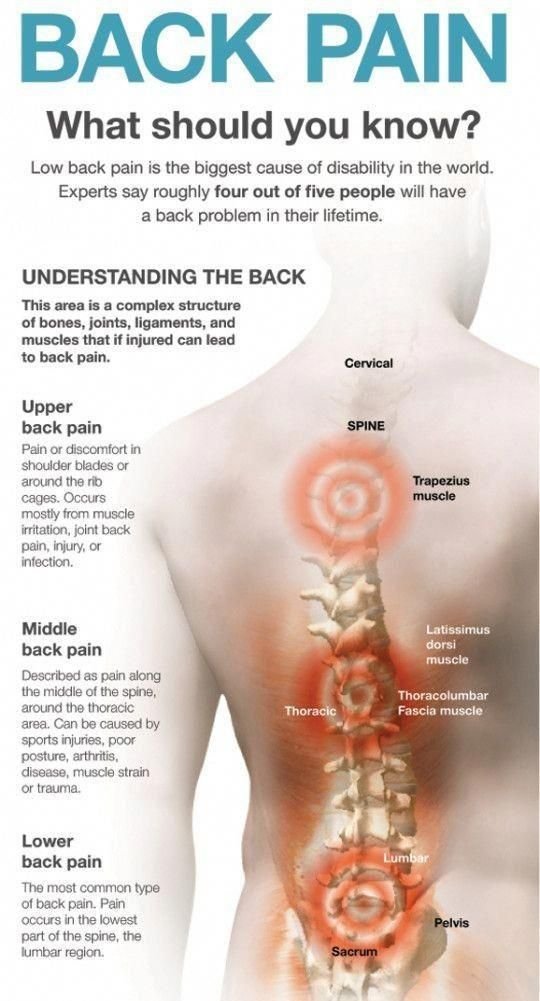
The human back is a complex structure of bones (vertebrae), joints, ligaments, muscles, and nerves. These parts work together to provide support, strength, and flexibility. But even minor injuries or poor posture can disrupt this balance and cause pain or dysfunction.
The spine is divided into different regions:
- Cervical (neck)
- Thoracic (upper and middle back)
- Lumbar (lower back)
- Sacrum and pelvis
Pain can arise from any of these regions, and understanding the location is key to identifying the underlying issue.
🔍 Types of Back Pain by Region
1. Upper Back Pain
Pain or discomfort felt in the area of the shoulder blades or around the rib cages.
🟠 Causes:
- Muscle irritation
- Poor posture (desk jobs, screen use)
- Joint dysfunction
- Injury or strain
- Infections or inflammation
Upper back pain is less common than lower back pain but can be quite debilitating, especially in people with sedentary lifestyles or repetitive overhead arm work.
2. Middle Back Pain
This is pain located along the thoracic spine — the middle part of the back.
🟠 Causes:
- Sports injuries
- Muscle strain
- Poor posture
- Arthritis or degenerative disc issues
- Spinal trauma or vertebral fractures
Pain here is often overlooked but can indicate issues with spinal alignment or systemic conditions.
3. Lower Back Pain
The most common type of back pain, affecting millions globally. Pain is localized in the lumbar region, just above the pelvis.
🟠 Causes:
- Disc herniation or bulging
- Muscle strain (lifting, twisting)
- Sciatica (nerve compression)
- Arthritis or degenerative spine changes
- Poor core strength or obesity
- Prolonged sitting or poor ergonomics
Lower back pain can be acute (sudden onset) or chronic (lasting more than 3 months), and may radiate to the hips, buttocks, or legs.
🚨 When to See a Doctor
Seek medical attention if your back pain:
- Persists for more than a few weeks
- Is associated with numbness, tingling, or leg weakness
- Is accompanied by fever, weight loss, or bowel/bladder changes
- Follows a fall or injury
Early diagnosis can prevent serious complications like nerve damage or mobility loss.
🛠️ Managing and Preventing Back Pain
✅ Lifestyle and Home Care
- Maintain good posture
- Use ergonomic chairs and workstations
- Regular stretching and strengthening exercises (especially core)
- Maintain a healthy weight
- Avoid prolonged sitting or improper lifting
🧑⚕️ Medical & Physiotherapy Treatment
- Pain relief: ice/heat therapy, NSAIDs
- Physiotherapy for strengthening and posture correction
- Manual therapy (mobilization, massage)
- Advanced care: injections, TENS therapy, or surgery for severe cases
💡 Final Thoughts
Back pain might be common, but it shouldn’t be ignored. Understanding where it occurs and what causes it is the first step in managing it effectively. Whether it’s a sharp pain after lifting or a dull ache from long hours at a desk, early intervention, proper ergonomics, and a strong core can make all the difference.
If you’re dealing with persistent back pain, don’t wait — consult a healthcare or physiotherapy expert for a personalized treatment plan.