






🔍 What is Rheumatoid Arthritis?
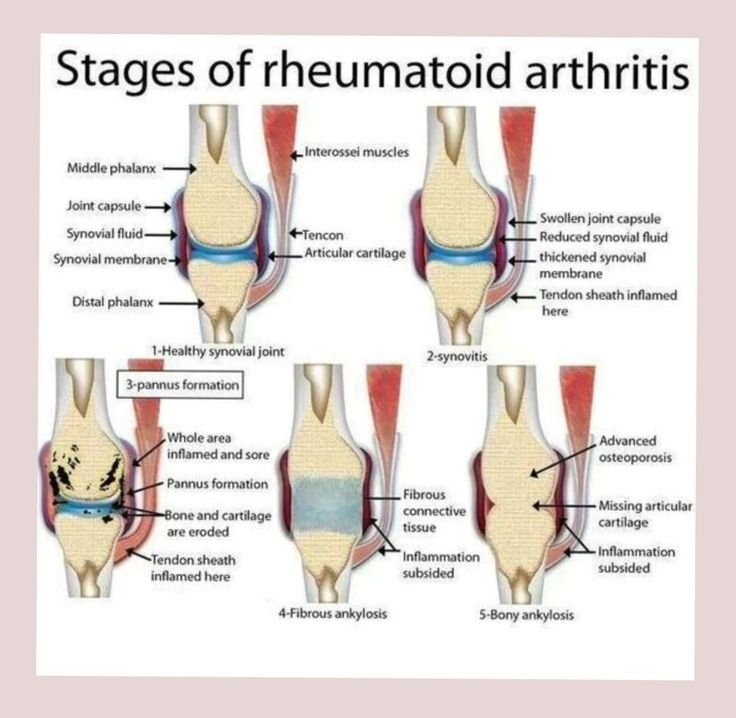
Rheumatoid Arthritis is a systemic autoimmune condition where the immune system, which normally protects you from infections, attacks your joints by mistake, particularly the synovium (the lining of joints).
- It leads to chronic inflammation, pain, joint destruction, and disability.
- If left untreated, it can affect not just joints but also lungs, heart, eyes, and blood vessels.
🧪 Pathophysiology – How It Happens
- Autoimmune Trigger:
- Unknown trigger (possibly infection, smoking, genetics).
- Immune cells activate and mistakenly attack joint lining.
- Synovial Inflammation:
- Cytokines like TNF-α, IL-1, and IL-6 are released.
- Synovial membrane becomes thick, forming a pannus.
- Cartilage & Bone Destruction:
- Osteoclast activation causes bone erosion.
- Joint deformity and instability develop.
- Systemic Effects:
- RA is not limited to joints – it can affect organs such as the heart, lungs, and kidneys.
⚠️ Signs & Symptoms
Early Symptoms:
- Joint pain, especially morning stiffness (>30 minutes)
- Swollen, warm, red joints (often small joints of hands/feet)
- Fatigue and malaise
- Low-grade fever
- Loss of appetite and weight
Classic Joint Involvement:
- Symmetrical joint involvement
- Wrist, MCP, PIP, ankle most affected
- As it progresses → knees, hips, elbows, shoulders, jaw
Extra-Articular Features:
- Rheumatoid nodules
- Interstitial lung disease
- Scleritis or dry eyes (Sjögren’s-like)
- Anemia of chronic disease
- Pericarditis or myocarditis
🧫 Diagnosis
- Clinical Criteria (2010 ACR/EULAR):
- Joint involvement
- Serology (RF and anti-CCP)
- Acute phase reactants (ESR, CRP)
- Duration of symptoms (>6 weeks)
- Blood Tests:
- Rheumatoid Factor (RF) – positive in 70-80%
- Anti-CCP Antibodies – more specific than RF
- ESR/CRP – markers of inflammation
- Imaging:
- X-rays – joint space narrowing, erosions
- Ultrasound/MRI – early synovitis, joint damage
🧴 Treatment Overview (Stepwise)
A. Medications
- NSAIDs – Pain relief only, no disease modification
- Steroids – Short-term use for flares
- DMARDs (Disease-Modifying Anti-Rheumatic Drugs):
- Methotrexate (first-line)
- Leflunomide, Sulfasalazine, Hydroxychloroquine
- Biologic DMARDs (targeted therapies):
- TNF inhibitors: Etanercept, Adalimumab
- IL-6 inhibitors: Tocilizumab
- JAK inhibitors: Tofacitinib
- B-cell inhibitors: Rituximab
B. Non-Pharmacologic
- Physical therapy
- Occupational therapy
- Assistive devices
- Surgical interventions (in advanced disease)
🥗 Diet & Lifestyle
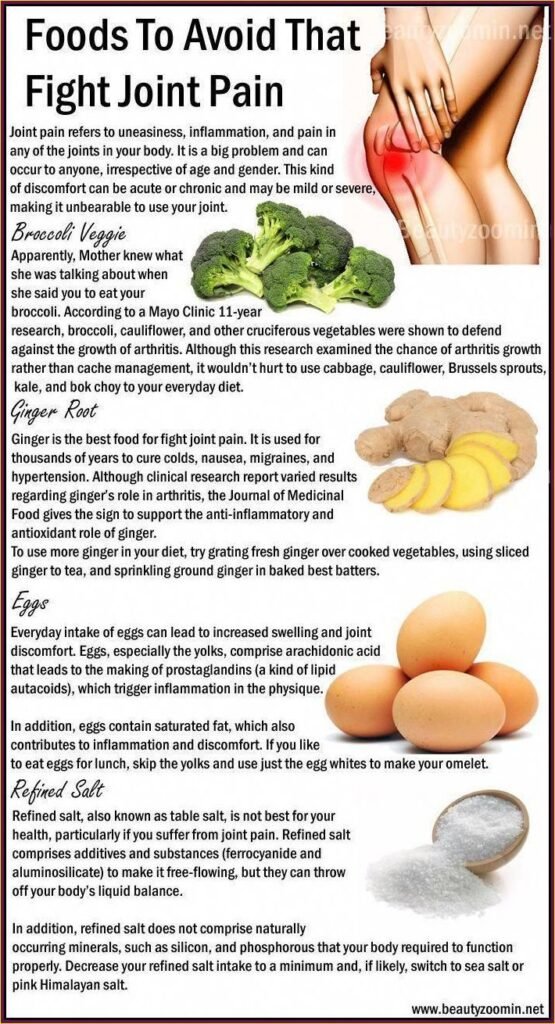
Foods to Avoid (Pro-inflammatory):
- Fried foods, processed meats
- Refined carbs and sugars
- Dairy (if sensitive)
- Red meat (limit)
- Nightshades (may cause flares in some)
Foods to Include (Anti-inflammatory):
- Fatty fish (omega-3)
- Turmeric (curcumin)
- Green leafy vegetables
- Ginger, garlic
- Whole grains
- Nuts & seeds (flax, chia)
- Vitamin D & calcium-rich foods
💧 Herbal/Water Therapy Additions (from the images you shared):
- Ginger water – reduces inflammation and pain
- Mint water – helps digestion and detox, mild analgesic
- Cucumber water – hydrates, helps bloating and joint swelling
- Aloe water – soothes inflammation, skin, and gut
- Rice water – supports hair and skin health
- Lemon water – antioxidant and digestive aid
- Honey water – immune boosting
- Rose water – skin and mental refreshment
🧘♀️ Alternative & Holistic Therapies
- Yoga: Improves flexibility, joint mobility
- Panchakarma (Ayurveda): Detoxifying treatments
- Acupuncture: Pain relief
- Meditation & mindfulness: Stress management
- Warm compresses & paraffin baths
📉 Complications If Untreated
- Joint deformity (ulnar deviation, swan neck, boutonniere)
- Permanent disability
- Cardiovascular disease
- Pulmonary fibrosis
- Kidney involvement (drug-related or secondary)
- Depression and anxiety
📆 Follow-Up & Monitoring
- Regular blood tests for liver/kidney function (esp. with methotrexate)
- Annual eye exams (esp. if on hydroxychloroquine)
- Monitor for infections (due to immunosuppressants)
- Vaccination updates (pneumococcal, flu, etc.)
📣 Patient Advice (Doctor’s Words)
“Rheumatoid Arthritis is a manageable condition if caught early and treated aggressively. Never ignore persistent joint pain and stiffness. Take your medicines regularly, keep moving, eat anti-inflammatory foods, and prioritize stress management. Early care changes everything.”