






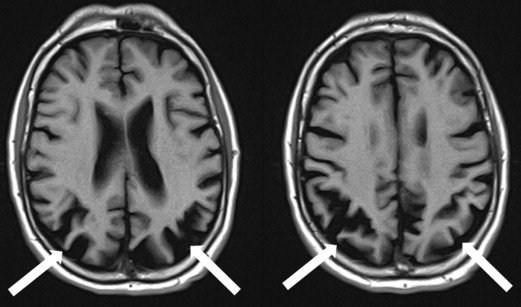
Renewed online interest in Terry Pratchett has once again brought attention to an important but often misunderstood condition: early-onset dementia, specifically a rare form known as posterior cortical atrophy (PCA).
Although Sir Terry Pratchett passed away in 2015, his openness about living with dementia continues to educate and influence public understanding of neurodegenerative diseases.
🧠 What Was Terry Pratchett Diagnosed With?
In 2007, Terry Pratchett was diagnosed with posterior cortical atrophy, an uncommon variant of Alzheimer’s disease.
Unlike typical Alzheimer’s, PCA:
- Begins with visual and spatial difficulties
- Affects reading, recognising objects, judging distances
- Often spares memory in early stages
Because of this, diagnosis is frequently delayed or missed.
⚠️ Why Posterior Cortical Atrophy Is Often Missed
Patients may initially complain of:
- Visual problems despite normal eye exams
- Difficulty reading or navigating
- Problems with coordination or spatial judgement
These symptoms are often mistaken for:
- Eye disorders
- Stress or anxiety
- Normal ageing
➡️ By the time dementia is recognised, the disease may already be advanced.
🧩 Atypical Dementia: An Under-Recognised Reality
Early-onset dementias (before age 65):
- Are less common, but deeply disruptive
- Affect people in their working years
- Have major emotional, financial, and social impact
Pratchett’s case helped highlight that:
Dementia is not always about memory loss—and not just a disease of old age.
🗣️ Advocacy Beyond Diagnosis
After his diagnosis, Terry Pratchett became a powerful advocate for:
- Dementia awareness
- Research funding
- Patient dignity
- End-of-life autonomy
His public speeches and documentaries changed how dementia was discussed—moving it from stigma to science and compassion.
👩⚕️ Doctor’s Perspective: Clinical Lessons
Key medical takeaways from Pratchett’s story:
- Consider atypical dementia in unexplained visual or spatial complaints
- Early neurological referral is crucial
- Supportive care and planning improve quality of life
- Families need education and psychological support
📌 Final Takeaway
Terry Pratchett’s legacy extends far beyond literature.
His story reminds us that:
- Dementia has many faces
- Early symptoms can be subtle and misleading
- Awareness leads to earlier diagnosis and better care
Recognising atypical dementia early is as important as treating it.